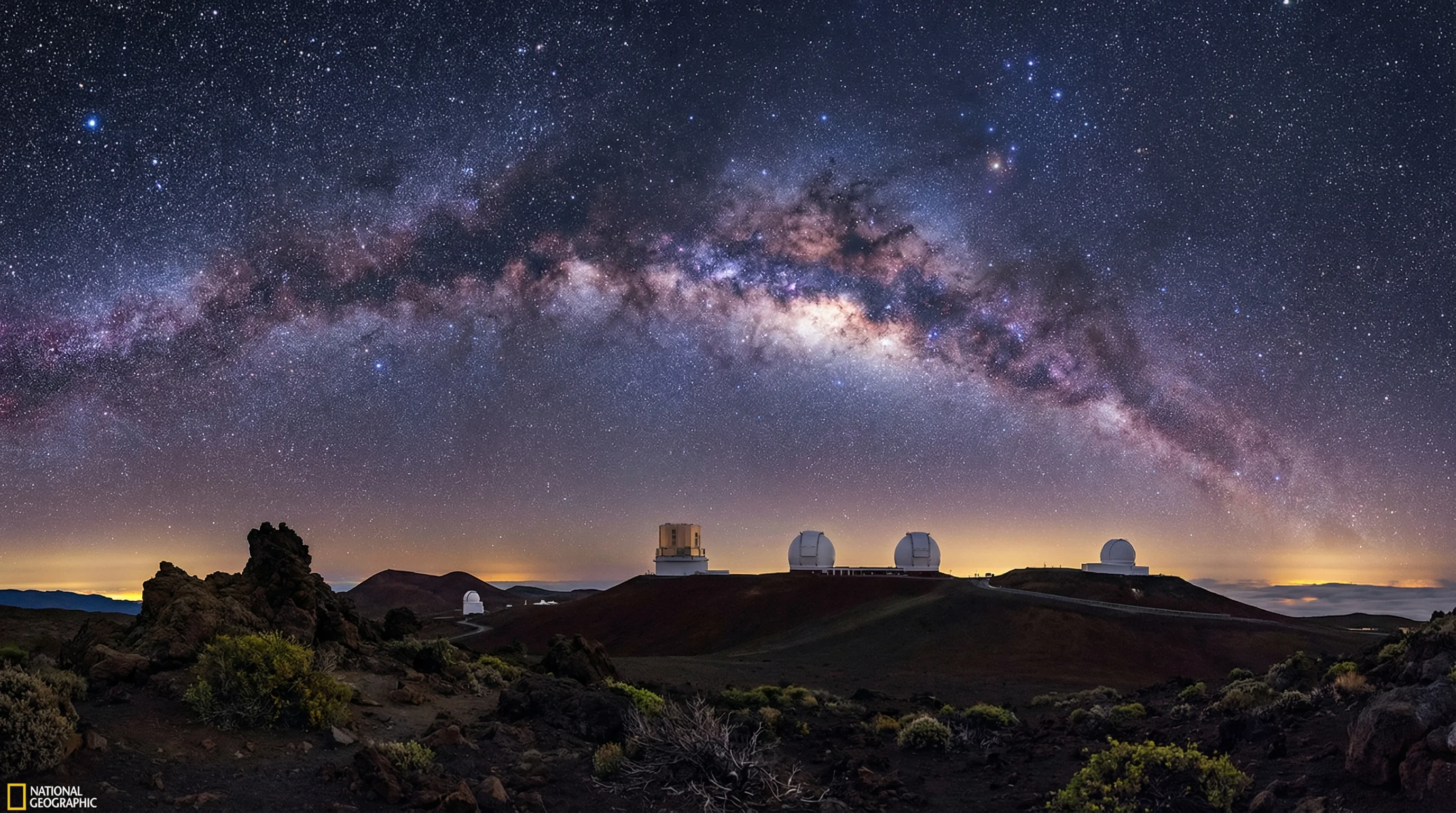
Planning a Hawaii vacation and trying to decide between stargazing at Mauna Kea or Haleakalā? You’re not alone. These two volcanic peaks are Hawaii’s premier stargazing destinations, but they offer surprisingly different experiences. Whether you’re a serious astronomy enthusiast or just hoping to see the Milky Way for the first time, understanding the key differences will help you make the right choice for your trip.
Let’s break down everything you need to know about these two incredible stargazing locations, from the science behind what makes them special to the practical details of actually getting there.
Understanding Hawaii’s Geography: Big Island vs Maui
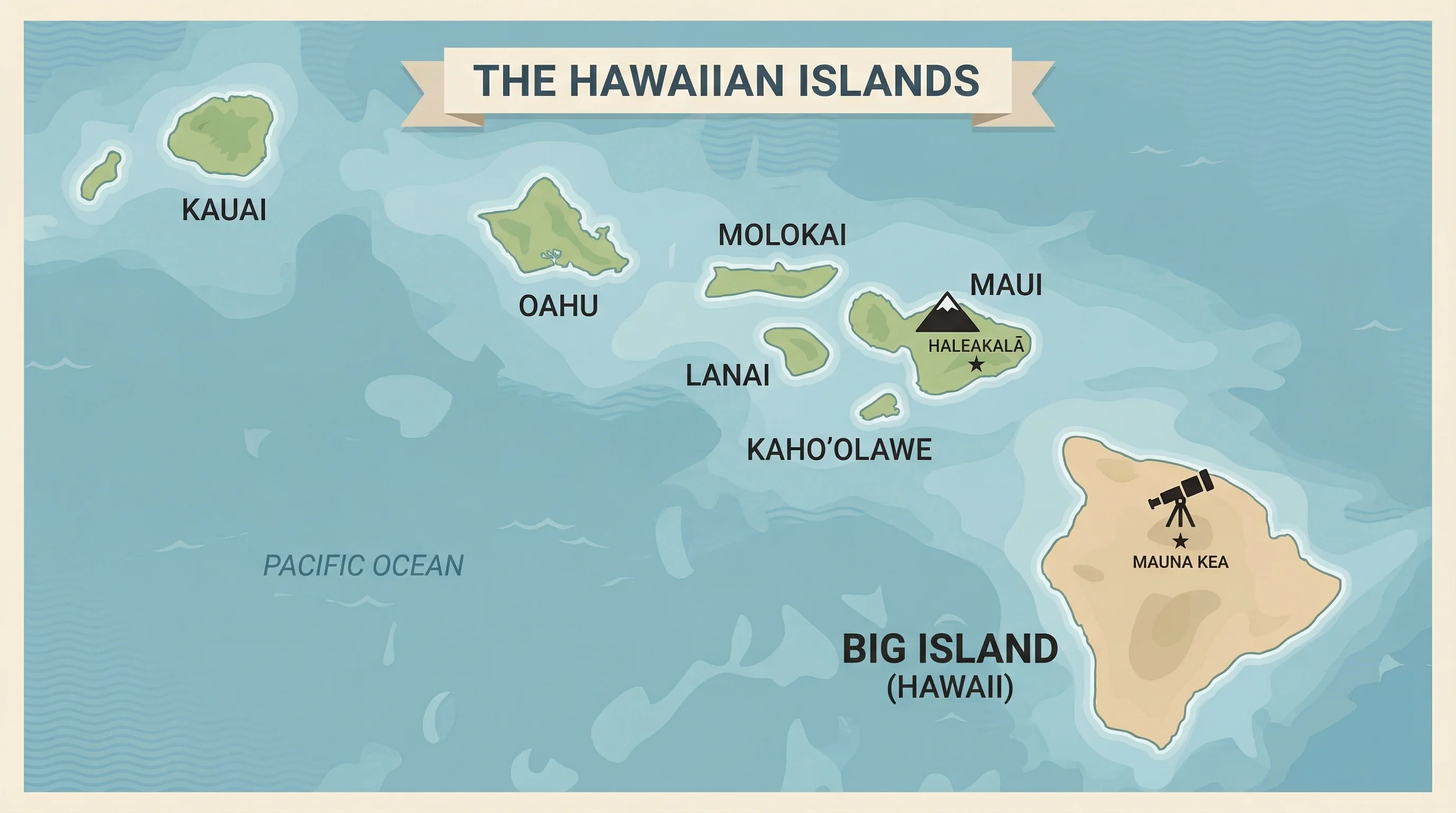
First things first—let’s clear up a common confusion. Hawaii is both a state AND an island, which can trip people up when planning their trip.
The Hawaiian Islands
The state of Hawaii consists of eight main islands, each with its own personality and attractions:
- Hawaiʻi (Big Island) — Home to Mauna Kea
- Maui — Home to Haleakalā
- Oʻahu — Where Honolulu is located (the state capital)
- Kauaʻi, Molokaʻi, Lānaʻi, Niʻihau, and Kahoʻolawe
Quick Tip: When people say “Hawaii,” they might mean the entire state OR specifically the Big Island. To avoid confusion, locals call the island of Hawaiʻi the “Big Island.” So Mauna Kea is on the Big Island, while Haleakalā is on Maui—two separate islands requiring different travel plans.
Why This Matters for Your Stargazing Plans
If you’re visiting Maui, you can’t just drive to Mauna Kea—you’d need to fly or take a ferry to the Big Island (about 30 minutes by air). Similarly, if you’re on the Big Island, Haleakalā requires a separate trip to Maui. Many visitors choose one island as their base and stick with its stargazing option, while others plan multi-island itineraries to experience both.
Now that we’ve got the geography sorted, let’s compare these two incredible mountains.
Mauna Kea: The World’s Premier Stargazing Destination
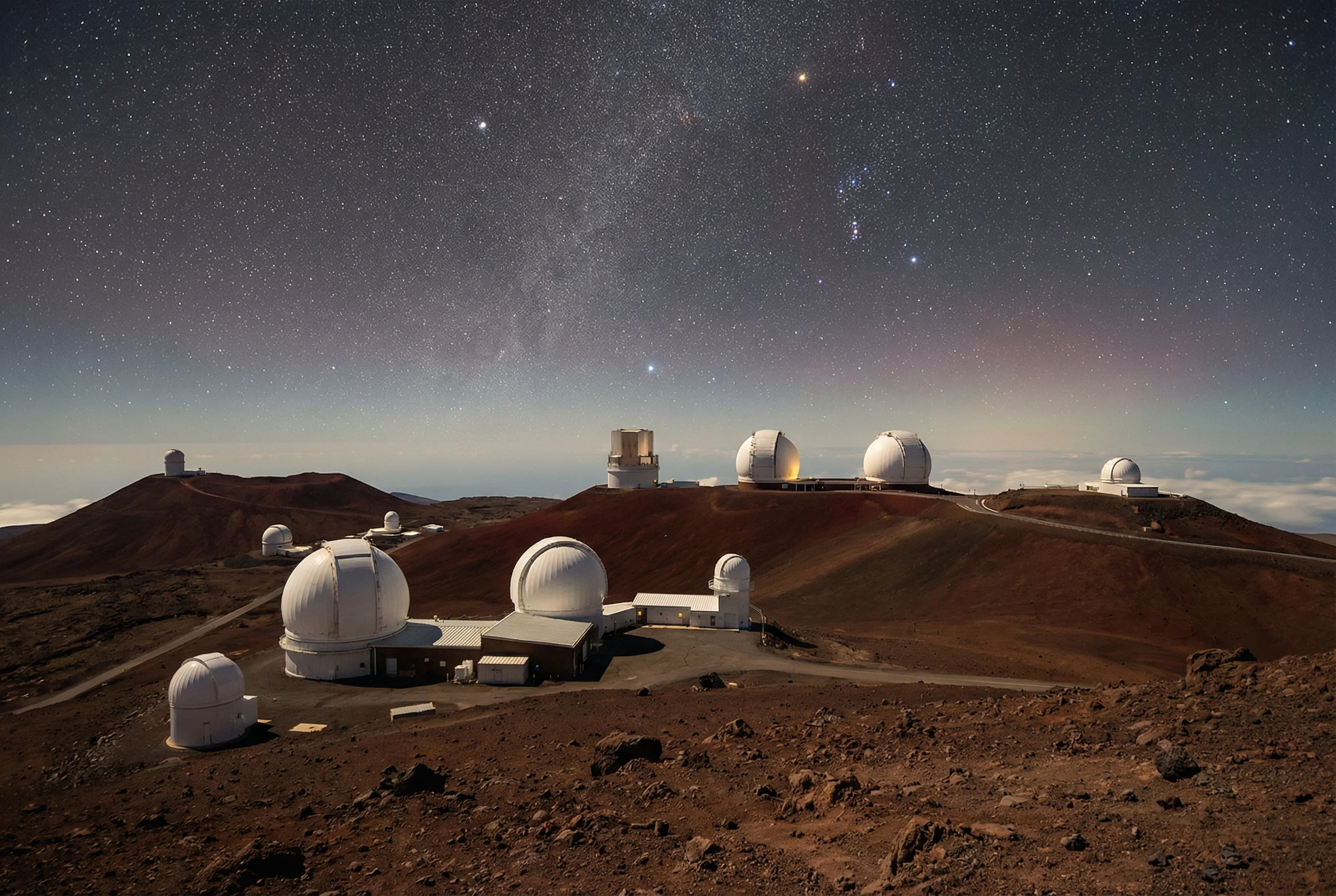
The Numbers That Matter
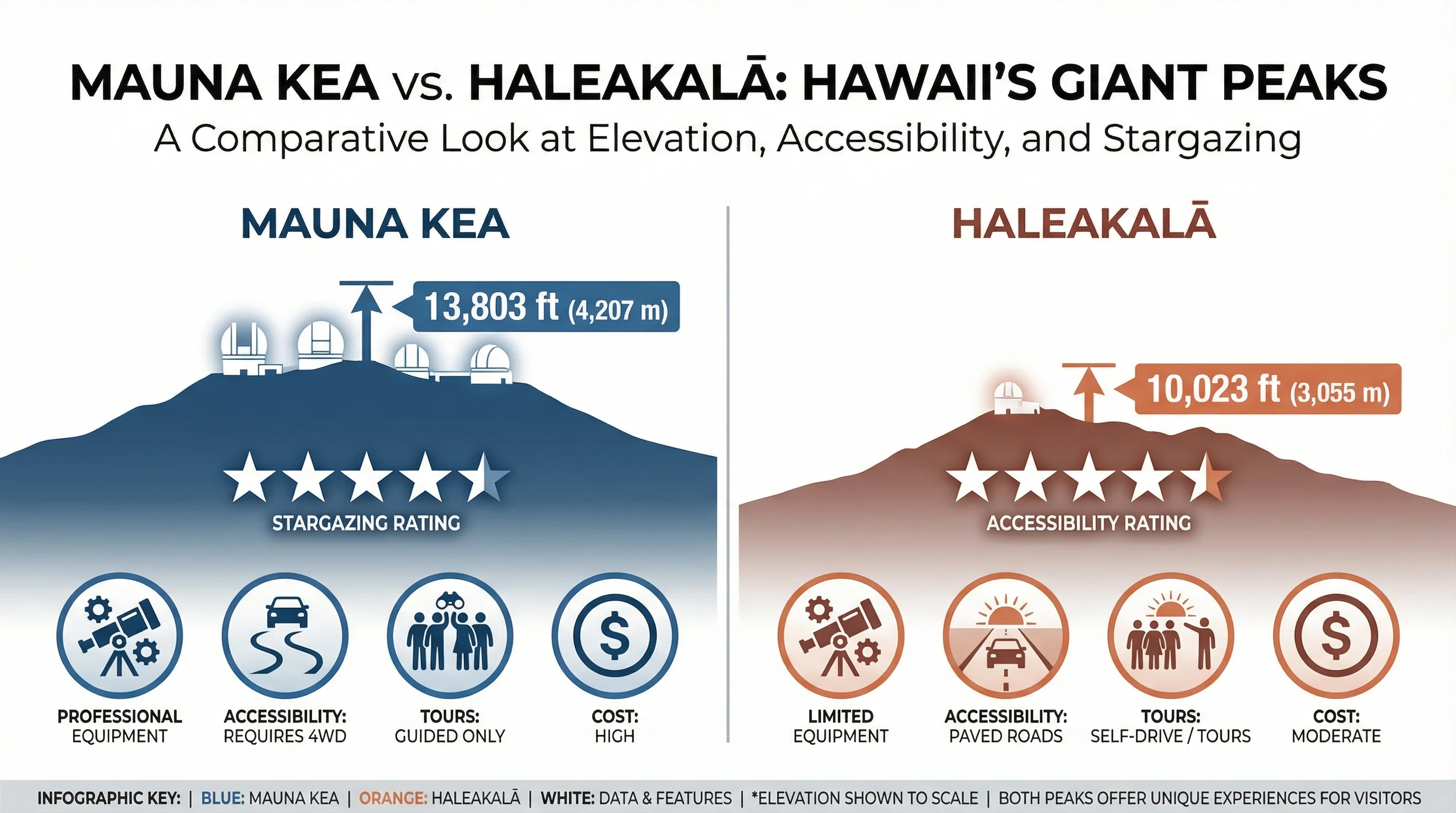
- Elevation: 13,803 feet (4,207 meters)
- Location: Big Island of Hawaii
- Observatories: 13 world-class astronomical facilities
- Best Known For: Professional astronomy research and unparalleled stargazing
Why Mauna Kea is Special for Stargazing
There’s a reason the world’s most advanced telescopes call Mauna Kea home. It’s not just about the elevation—though at nearly 14,000 feet, you’re above 40% of Earth’s atmosphere. Mauna Kea offers a rare combination of factors that create what astronomers consider the best observing conditions on the planet:
Extreme Elevation
At 13,803 feet, Mauna Kea towers nearly 4,000 feet higher than Haleakalā. This means less atmosphere to look through, resulting in sharper, clearer views of celestial objects. The air is thinner, which is why altitude sickness is a real concern, but it’s also why the stars appear so incredibly bright.
Exceptional Air Quality
The summit sits above the inversion layer—a stable temperature zone that acts as a lid, keeping humidity, dust, and light pollution below. On a typical night, you’re looking through some of the clearest, driest air on Earth.
Minimal Light Pollution
Hawaii County enforces strict lighting ordinances to protect the dark skies. There are no cities nearby—the closest significant town is Hilo, 45 minutes away, and even Hilo uses special shielded street lights that minimize sky glow.
Geographic Advantage
Sitting at 20°N latitude, Mauna Kea can observe both Northern and Southern Hemisphere skies, giving it access to about 90% of the observable universe.
Visitor Experience
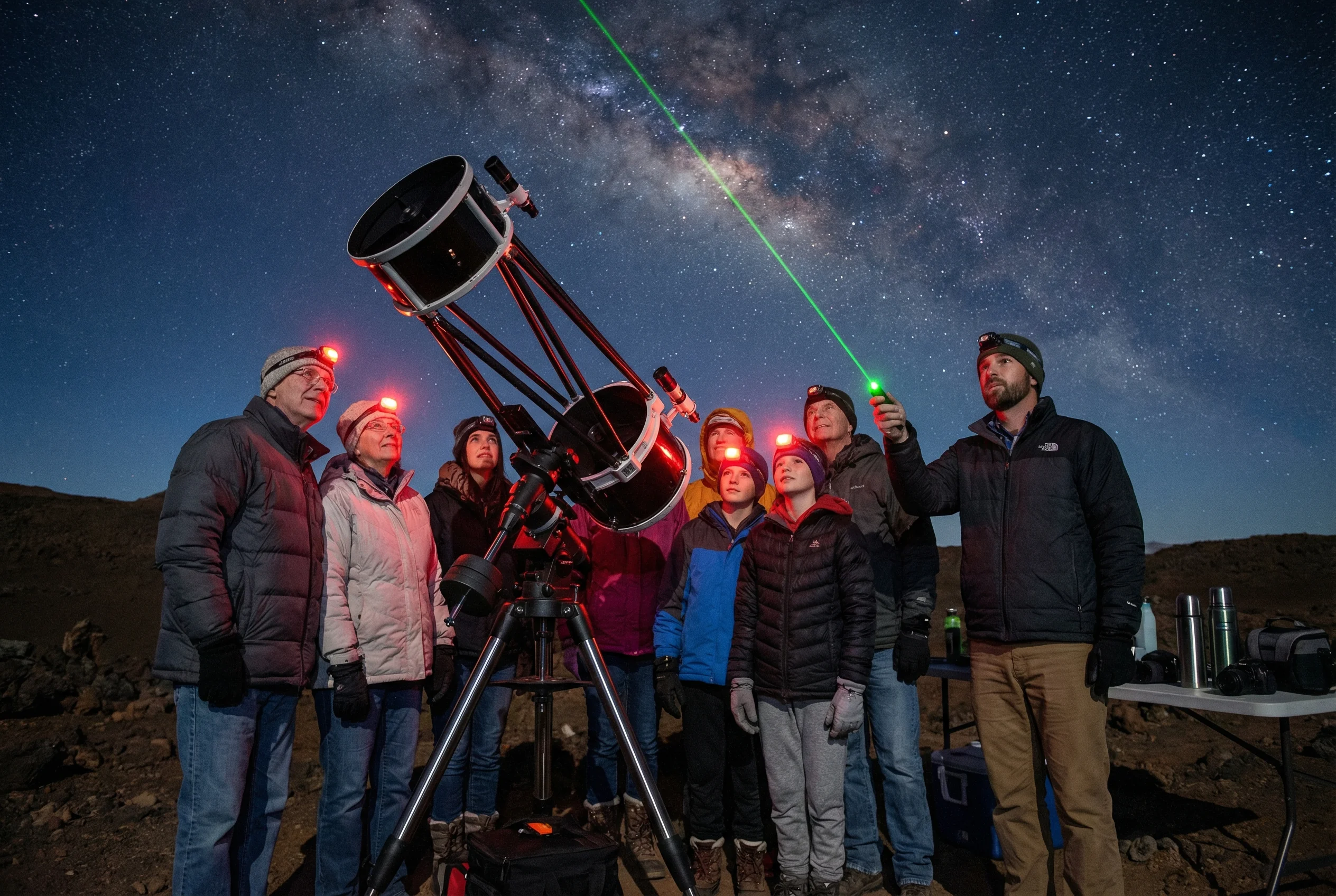
You have two main options for stargazing at Mauna Kea:
Visitor Information Station (9,200 feet)
Free nightly stargazing programs with telescopes available. Accessible to any vehicle. Less extreme altitude makes it safer for those with health concerns. Still offers incredible views with minimal light pollution.
Summit (13,803 feet)
The ultimate stargazing experience with views among the observatories. Requires 4WD vehicle and careful altitude preparation. Most visitors join a guided tour which handles logistics and provides telescopes and expert guidance.
Our Mauna Kea Observatory Tour is specifically designed to give you the complete summit experience—sunset above the clouds, professional telescopes, expert astronomers, warm gear, and transportation in comfortable 4WD vehicles. With over 641 five-star reviews, it’s trusted by thousands of stargazers who want the world’s best astronomy experience without the stress of DIY logistics.
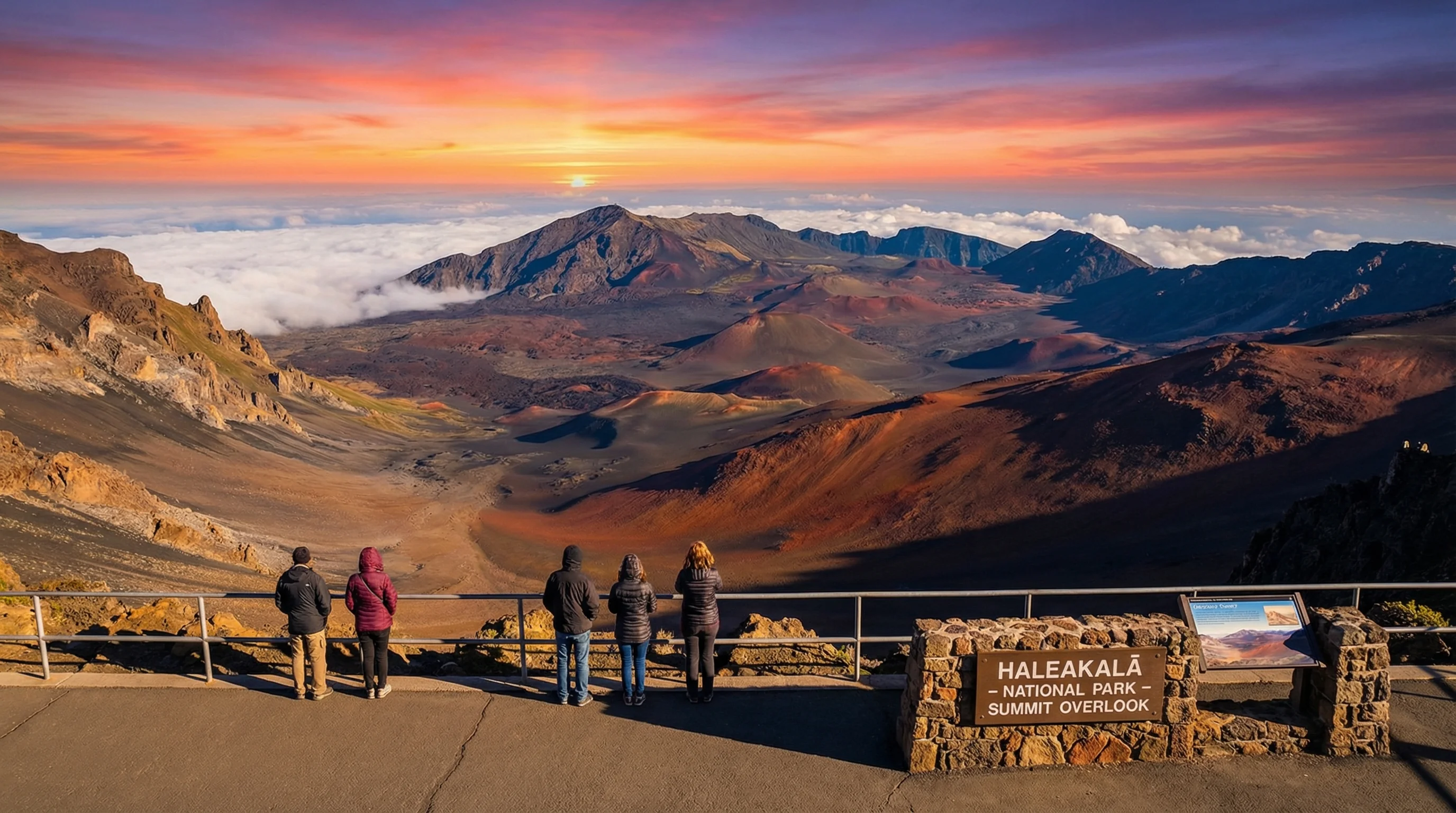
Haleakalā: Maui’s Accessible Stargazing Alternative
The Numbers That Matter
- Elevation: 10,023 feet (3,055 meters)
- Location: Island of Maui
- Observatories: Smaller observatory complex (primarily research-focused)
- Best Known For: Sunrise viewing, with stargazing as a secondary attraction
Why Haleakalā is Worth Considering
Don’t let the comparison make you think Haleakalā isn’t spectacular—it absolutely is. While it may not be the world’s premier astronomy site, it offers several advantages that make it the better choice for some visitors:
More Accessible
At 10,023 feet, the altitude is significant but more manageable for most people. Altitude sickness is less common and less severe. The drive up is paved all the way and doable in any rental car.
National Park Infrastructure
As part of Haleakalā National Park, you get established facilities, clear visitor information, and well-maintained roads. Park rangers provide programs and can answer questions.
Famous Sunrise + Stargazing Combo
Many visitors combine stargazing with the legendary Haleakalā sunrise. You can arrive in the early morning hours for stars, then stay for what’s considered one of the world’s most beautiful sunrises.
Maui is More Popular Overall
If you’re already planning a Maui vacation, Haleakalā is right there. You don’t need to add another island to your itinerary.
Head-to-Head Comparison: Which Should You Choose?
Quick Comparison Table
| Feature | Mauna Kea | Haleakalā |
|---|---|---|
| Elevation | 13,803 ft (4,207 m) | 10,023 ft (3,055 m) |
| Island | Hawaiʻi (Big Island) | Maui |
| Observation | Best in the World | Excellent (High Altitude) |
| Access | 4WD Highly Recommended | Paved Road (2WD OK) |
| Oxygen Levels | ~60% of sea level | ~70% of sea level |
| Tours | Comprehensive (Sunset+Star) | Limited (Sunrise Focused) |
| Entrance Fee | Free (9,200ft) / Tour Fee | $30 (National Park Fee) |
Stargazing Quality
Winner: Mauna Kea — The higher elevation, drier air, and darker skies create objectively superior viewing conditions. Professional astronomers don’t build billion-dollar telescopes on Mauna Kea for nothing. If pure stargazing quality is your priority, Mauna Kea wins hands down.
That said, Haleakalā’s stargazing is still excellent—you’ll see the Milky Way, countless stars, and planets clearly. For most casual stargazers, the difference might not be as dramatic as the specifications suggest.
Accessibility & Safety
Winner: Haleakalā — Lower altitude means less risk of altitude sickness. You can drive up in any car. The National Park infrastructure makes it feel safer and more organized. It’s a better choice for families with children, elderly visitors, or anyone with health concerns.
Mauna Kea’s summit requires 4WD and careful altitude preparation. Even the Visitor Information Station at 9,200 feet can affect some people.
Tour vs DIY Options
Tie (different strengths) — Mauna Kea tours are excellent and handle all the logistics, altitude concerns, and provide high-quality telescopes and expert guides. The DIY option is viable at the Visitor Information Station but challenging at the summit.
Haleakalā is very DIY-friendly. You can easily drive up on your own, though sunrise requires advance reservations. There are fewer organized stargazing tours, but you don’t really need them.
Value for Money
Winner: Depends on your budget — Haleakalā is cheaper. National Park entrance is $30 per vehicle (valid for 3 days), and you can do it yourself. Total cost: $30 plus gas.
Mauna Kea summit tours range from $150–$330 per person depending on the operator and experience type, and include transportation, equipment, expert guidance, and in some cases dinner. The Visitor Information Station is free, making it potentially the cheapest option—but you’ll want warm clothes and possibly binoculars.
Comparing Mauna Kea operators? See our side-by-side breakdown of all 8 tours — with prices, ratings, and a clear recommendation for every type of traveler.
Overall Experience
Winner: Depends on what you value — For serious astronomy enthusiasts, astrophotographers, or anyone who wants to say they stargazed at the world’s best location, Mauna Kea is unbeatable.
For casual stargazers, families, or those combining it with other activities (especially sunrise), Haleakalā offers a more relaxed experience with incredible views and fewer logistical challenges.
Making Your Decision: Key Questions to Ask Yourself
1. Which island am I visiting?
If you’re only visiting one island, this decision is largely made for you. While some visitors do island-hop specifically for stargazing, most people choose the option on their main destination island.
2. How serious am I about astronomy?
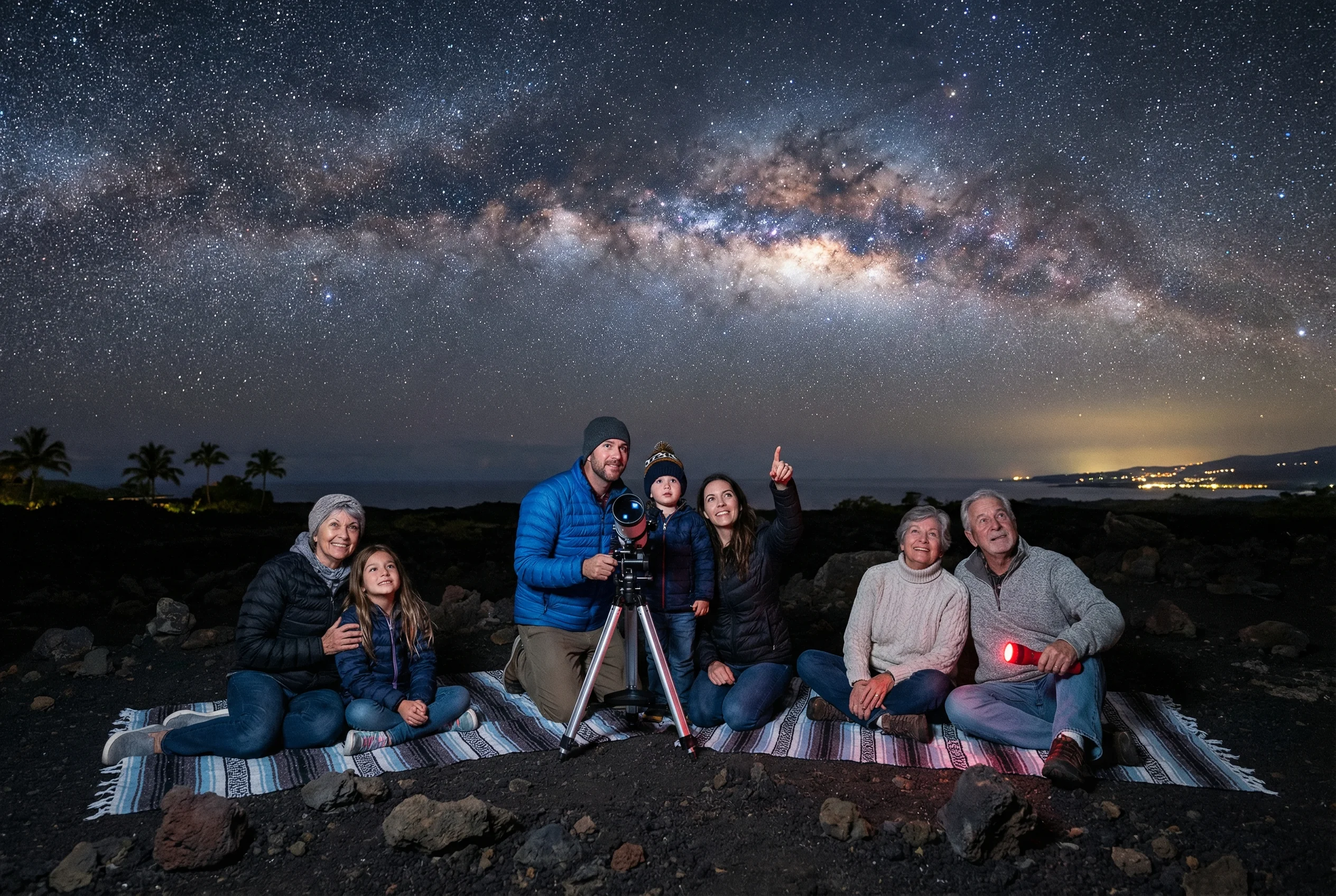
If you’re a serious astronomy enthusiast with your own telescope, understand magnitude limits, and want the absolute best viewing conditions—go to Mauna Kea.
If you mainly want to see the Milky Way, lots of stars, and have a memorable night under Hawaiian skies—either mountain will deliver.
3. Do I have any health concerns?
Pregnant women, people with heart or lung conditions, children under 16 (for summit), and those with severe altitude sensitivity should consider Haleakalā or Mauna Kea’s lower Visitor Information Station only.
4. What’s my budget?
- Budget option: Haleakalā DIY ($30) or Mauna Kea Visitor Station (free)
- Premium experience: Mauna Kea summit tour ($200-250)
5. Do I want a guided experience?
Mauna Kea summit tours are comprehensive and highly rated. Book our Mauna Kea Observatory Tour for a hassle-free experience with expert guides who explain what you’re seeing, handle all logistics, and provide quality telescopes. Guides explain constellations, planets, and deep-sky objects while sharing Hawaiian star navigation stories.
Haleakalā is more of a DIY experience, though some tour companies do offer programs.
Practical Considerations for Both Locations
Weather & Best Times
Both mountains can be cloudy or have poor viewing conditions. Check forecasts before going. Generally, summer (May-September) offers the most stable weather, though excellent stargazing is possible year-round.
New moon phases provide the darkest skies. Avoid full moon periods if possible.
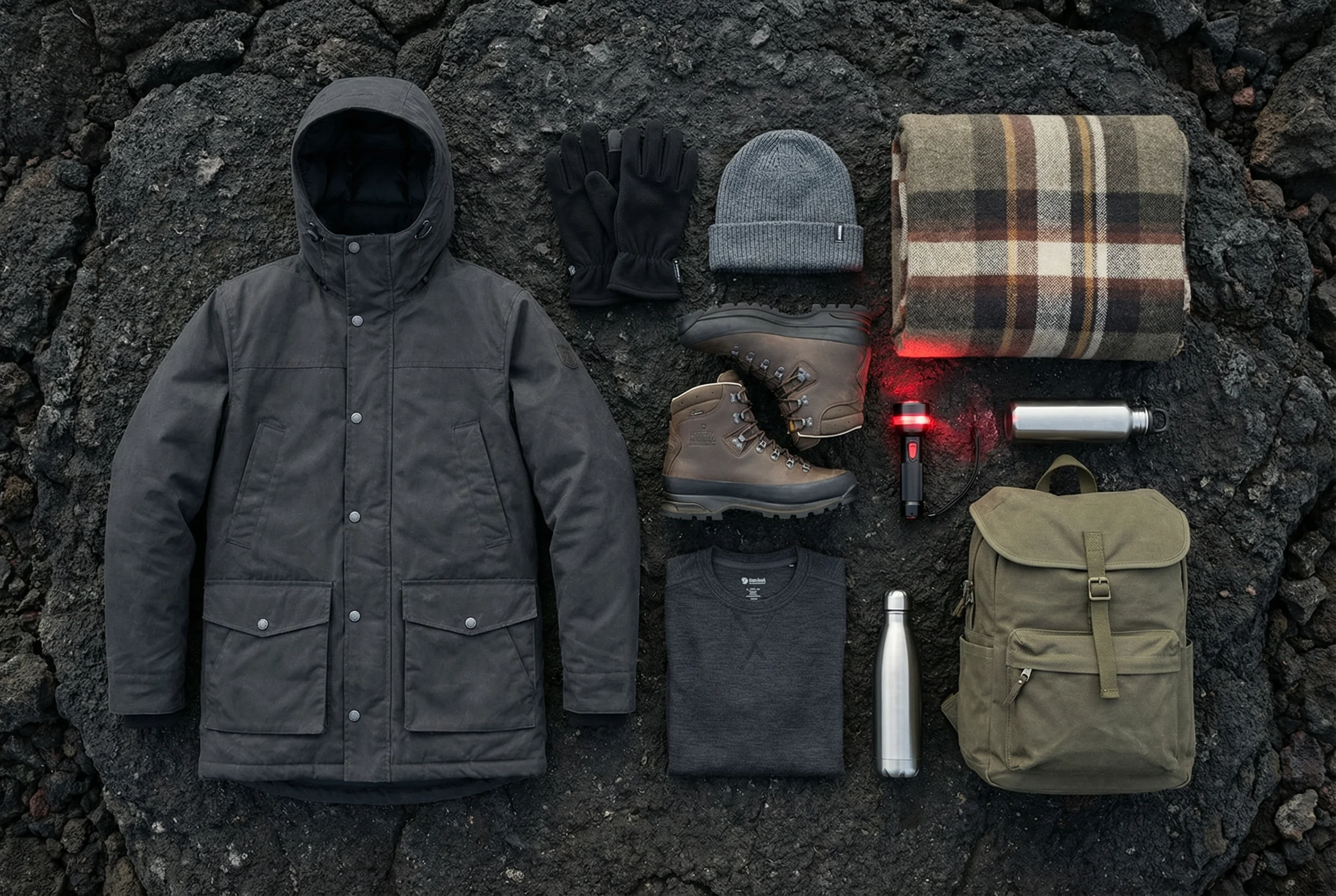
What to Bring
Both locations are COLD at night, even in summer:
- Heavy jacket or winter coat
- Long pants and closed-toe shoes
- Hat and gloves
- Blankets for sitting/lying down
- Red flashlight (to preserve night vision)
- Water and snacks
- For Mauna Kea: extra layers; summit can be near freezing even in summer
Planning a summit tour? Our Mauna Kea Observatory Tour provides hooded parkas, gloves, and all necessary equipment—you just need to dress in layers underneath. We also include dinner and hot beverages to keep you comfortable throughout the evening.
Advance Planning Required
- Mauna Kea tours: Book 1-2 weeks ahead during peak season
- Haleakalā sunrise: Requires online reservation 60 days in advance (very competitive)
- Haleakalā stargazing only: No reservation needed if you arrive after 7pm
The Bottom Line: Our Recommendations
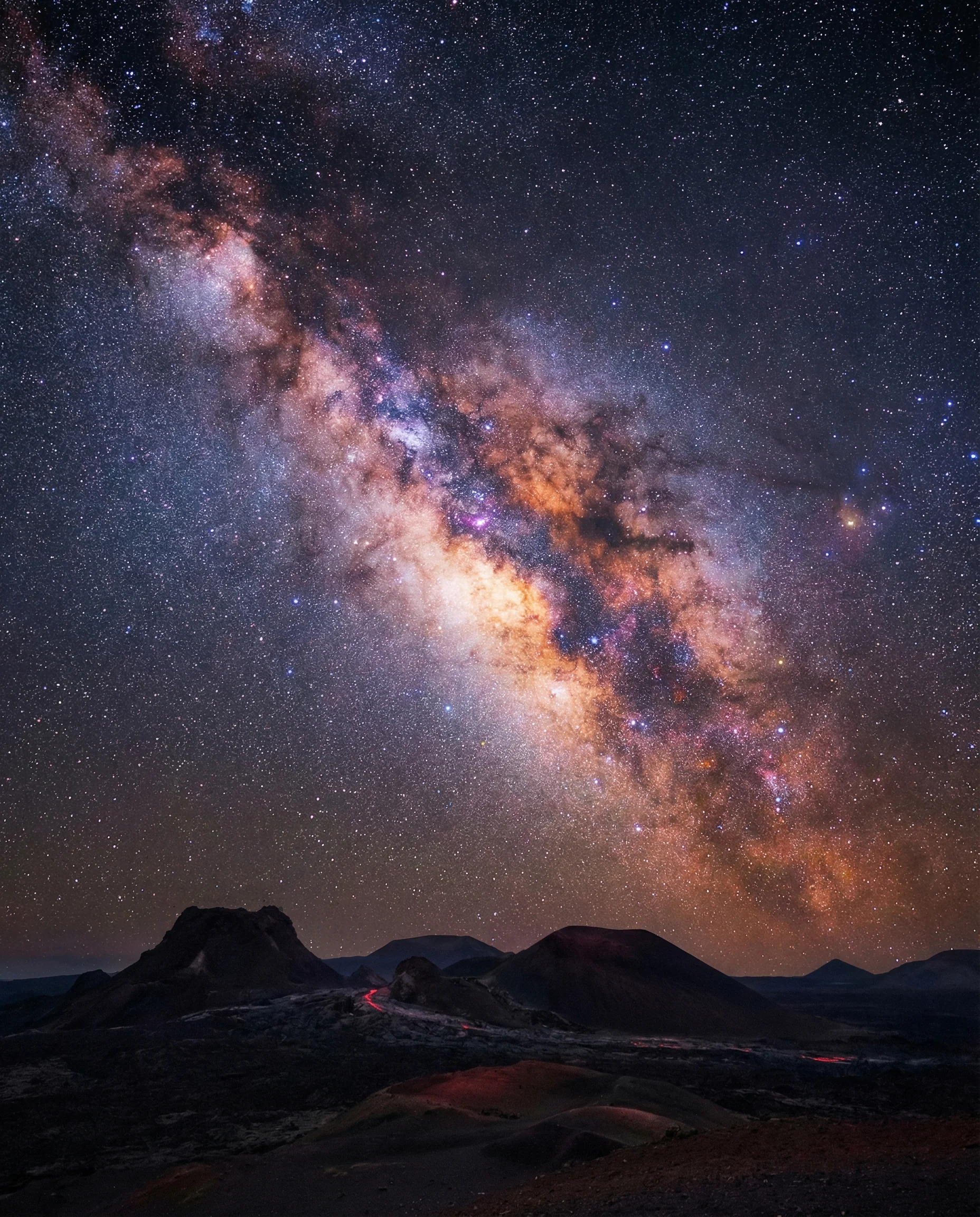
Choose Mauna Kea if you:
- Want the absolute best stargazing conditions on Earth
- Are serious about astronomy or astrophotography
- Are visiting the Big Island anyway
- Want a guided tour with expert astronomers
- Don’t have altitude-related health concerns
- Have the budget for a premium experience ($200-250 for tours)
Choose Haleakalā if you:
- Are visiting Maui anyway
- Want to combine stargazing with the famous sunrise
- Prefer a more accessible, lower-altitude option
- Are traveling with young children or elderly family members
- Want a DIY experience with established infrastructure
- Are on a tighter budget
- Have health concerns about extreme altitude
The Honest Truth
You can’t go wrong with either choice. Both mountains offer phenomenal stargazing that will blow away anyone who’s never experienced truly dark skies. Mauna Kea is technically superior—there’s no denying that—but Haleakalā is beautiful, accessible, and plenty spectacular for most visitors.
The “best” choice isn’t about which mountain is objectively better—it’s about which fits your trip, your interests, and your abilities. A comfortable, enjoyable night under Haleakalā’s stars beats a miserable, altitude-sick struggle on Mauna Kea every time.
Frequently Asked Questions
Can I visit both on the same trip?
Yes, if you’re doing a multi-island vacation. You’d need to fly between Maui and the Big Island (about 30 minutes). This is fairly common for visitors with 10+ days in Hawaii, but most people choose one island and one mountain.
Is Mauna Kea worth the extra effort and cost?
For astronomy enthusiasts, absolutely. The difference in viewing conditions is real and noticeable. For casual stargazers who mainly want to see the Milky Way and experience dark skies, Haleakalā provides 90% of the experience with half the hassle.
What if I can’t go to the summit of Mauna Kea?
The Visitor Information Station at 9,200 feet offers excellent stargazing and is accessible to anyone. You get dark skies, minimal light pollution, and often clear weather—without the extreme altitude of the summit. It’s a great compromise.
Do I need any special equipment?
Not really. The naked-eye views are stunning at both locations. Binoculars enhance the experience, and serious astronomers might bring their own telescope. Mauna Kea summit tours provide telescopes. For most visitors, just bring warm clothes and be ready to marvel.
Which has less light pollution?
Mauna Kea, slightly. Both locations have excellent dark skies with minimal light pollution, but Mauna Kea benefits from stricter county lighting ordinances and greater distance from population centers. The difference is marginal though—both qualify as exceptional dark sky locations.
How cold does it get at the summit?
Mauna Kea summit temperatures can drop to 20-30°F (-7 to -1°C) even in summer, with strong winds making it feel colder. Haleakalā summit is typically 30-50°F (-1 to 10°C). Both require winter clothing at night.
───────────
Whichever mountain you choose, you’re in for an unforgettable night under some of the most spectacular skies on Earth. Clear skies and happy stargazing!
Ready to experience the world’s best stargazing? Book our Mauna Kea Observatory Tour for the ultimate astronomy adventure with sunset above the clouds, professional telescopes, and expert guides.