On the Big Island of Hawaiʻi, stargazing is not just a casual activity; it is considered one of the premier astronomical experiences on Earth. While Mauna Kea is the undeniable centerpiece for observing the cosmos, the island offers various ways to experience its pristine dark skies, ranging from high-altitude scientific hubs to sea-level resorts.
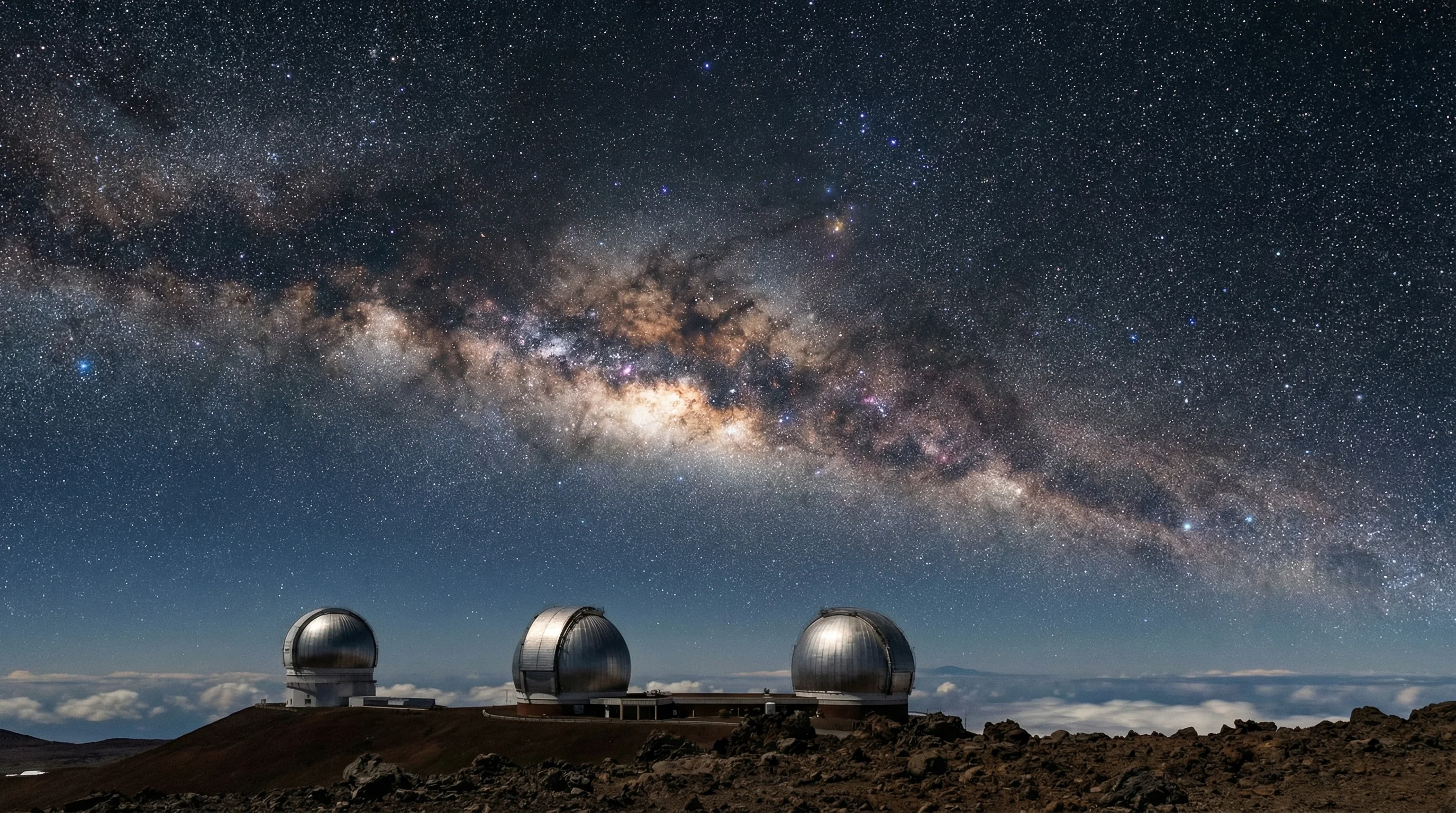
Mauna Kea: The Premier Destination
Mauna Kea is the world’s tallest mountain when measured from the ocean floor (33,000 ft) and stands as the island’s most sacred spot. For astronomers, it is arguably the best stargazing site in the world due to its high altitude, dry environment, and lack of light pollution.
The Summit Area
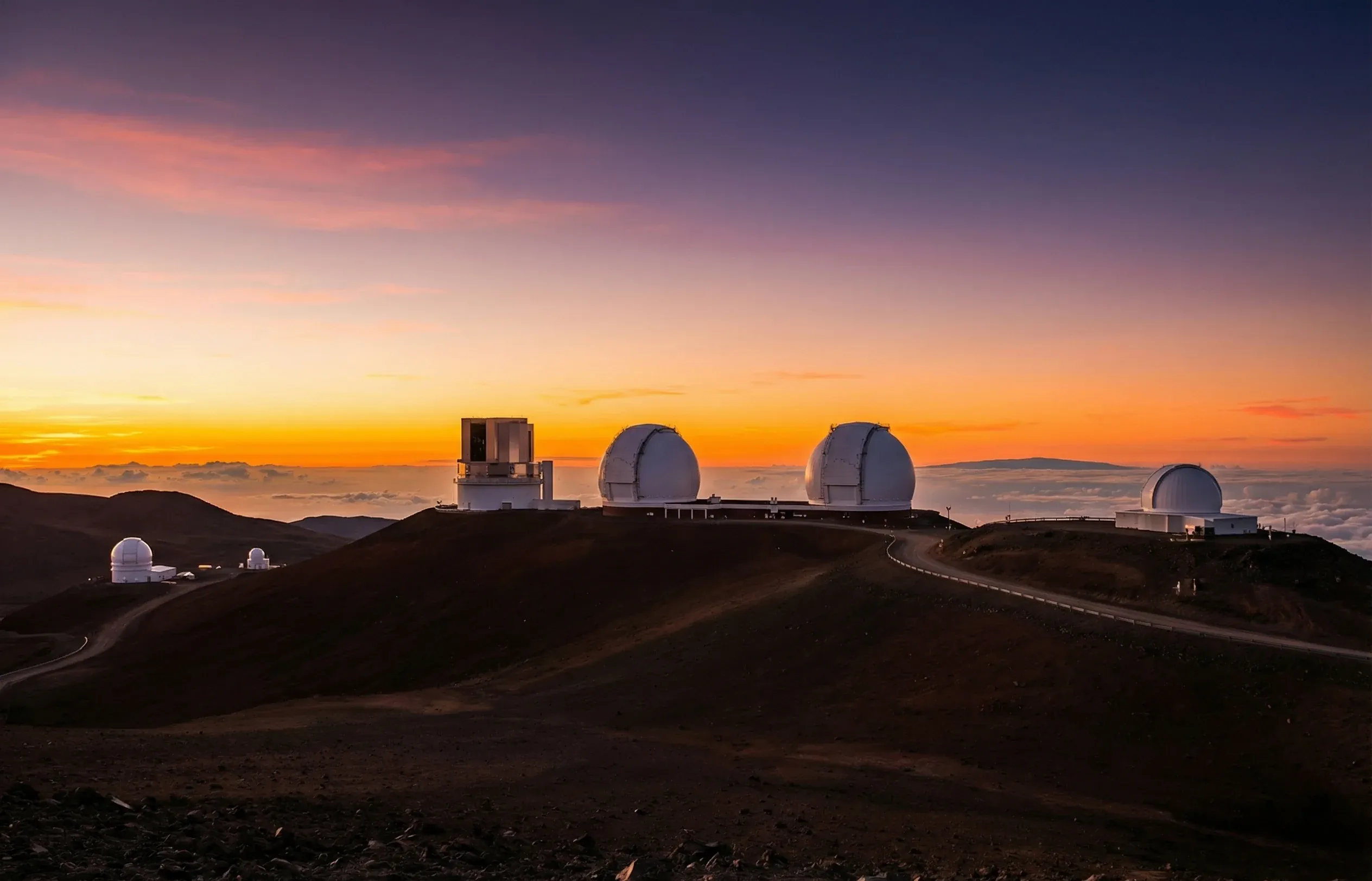
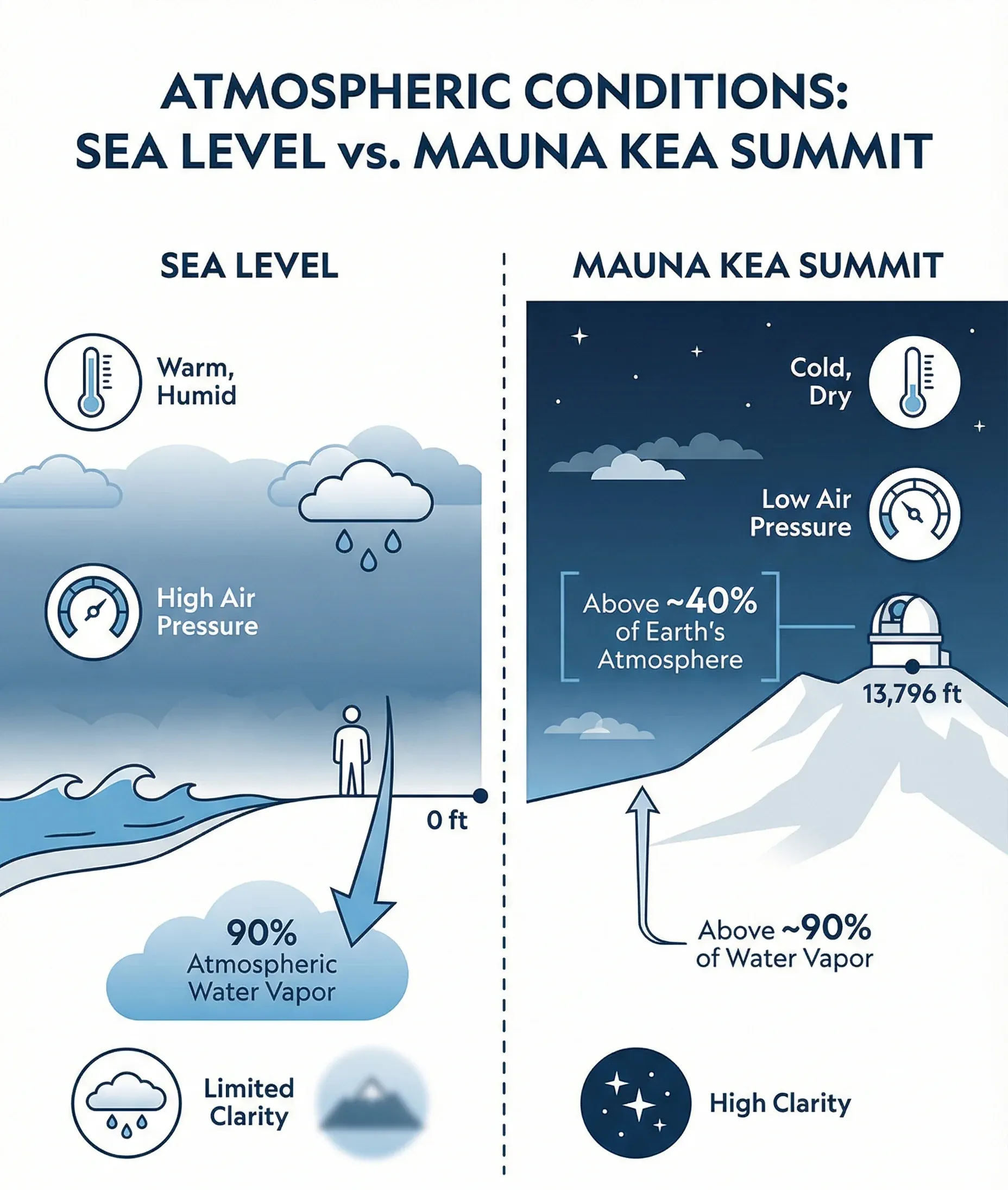
Standing at 13,796 feet, the summit sits above 40% of the Earth’s atmosphere and 90% of its water vapor, providing a remarkably clear window into the universe. It is home to the world’s greatest collection of telescopes, including the Keck Twins and the Subaru Telescope.
The Visitor Information Station (MKVIS)
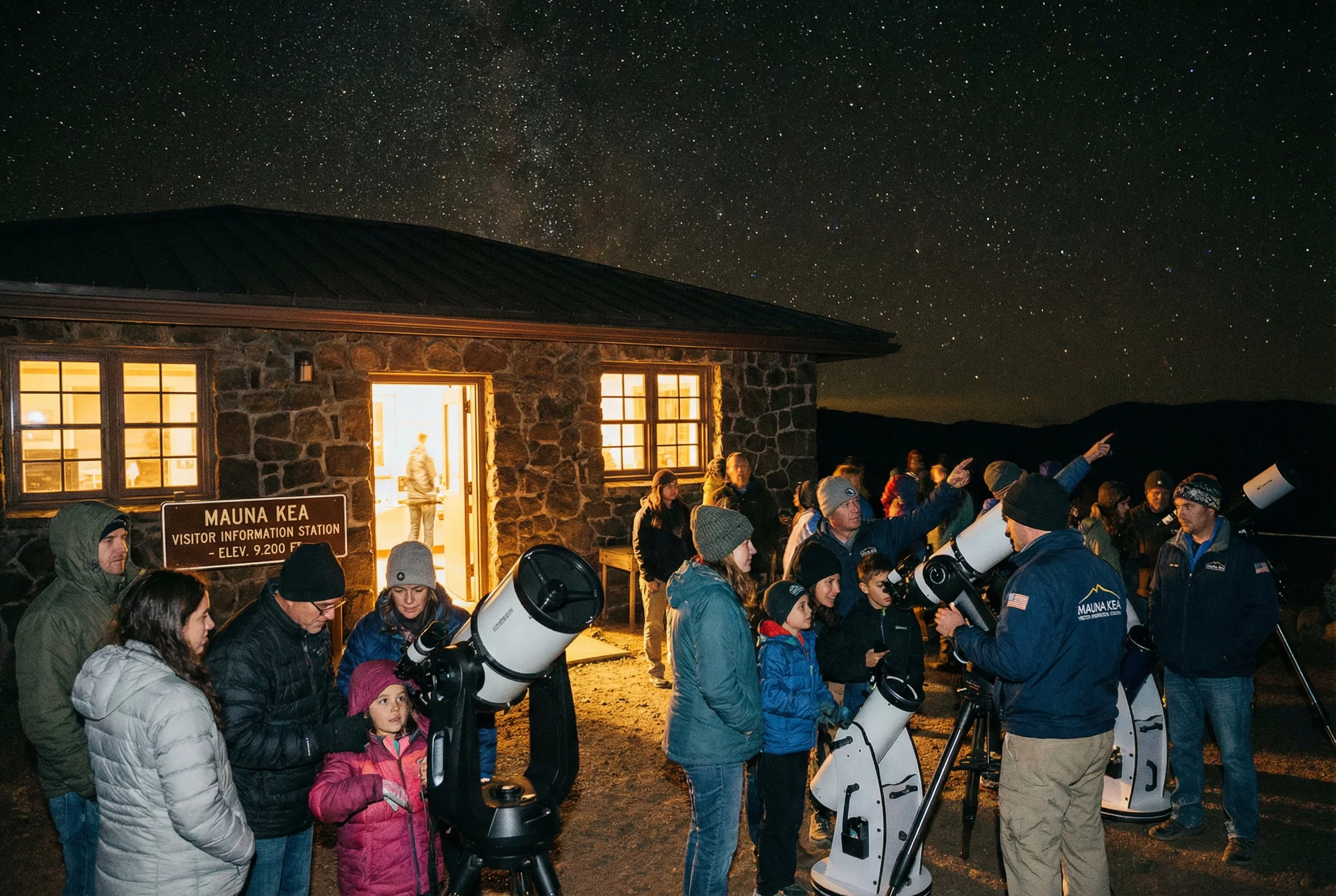
Located at 9,200 feet, the MKVIS offers a nightly stargazing program from 6pm to 10pm. Staff members and volunteers set up telescopes outside, allowing visitors to view celestial objects ranging from galactic clusters to Jupiter’s moons. This program is free and does not require a 4WD vehicle to access.
Summit Tours
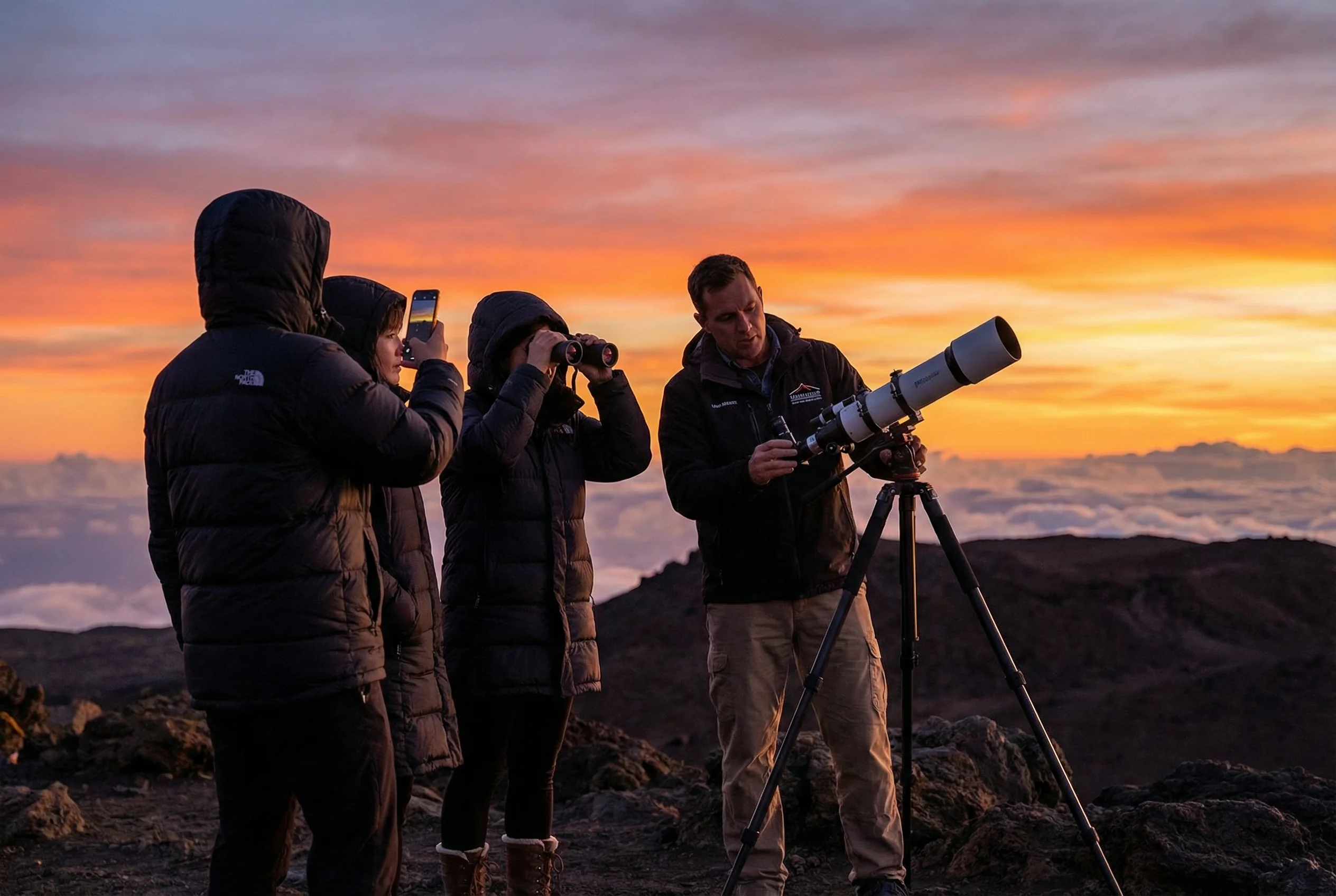
Several commercial operators — including Hawaii Forest & Trail, Hawaiian Eyes Tours, KapohoKine Adventures, and Hawaii Island Holidays — offer guided sunset and stargazing tours ranging from $150 to $330 per person. Our Mauna Kea Observatory Tour is the most reviewed option (641+ reviews, 4.83★), featuring:
- Transportation to the summit
- Warm parkas (it is freezing at the summit)
- Dinner
- Private telescope viewing at lower elevations after sunset
- Professional Milky Way photography included
Not sure which operator is right for you? Read our complete comparison of all 8 Mauna Kea stargazing tours — prices, ratings, and honest picks for every type of traveler.
DIY Stargazing

You can drive yourself, but a 4WD vehicle is highly recommended for the summit road, as it is steep and loose gravel. Most rental contracts prohibit driving standard cars past the visitor center.
Prefer a hassle-free experience? Book a guided tour with transportation, warm gear, and expert astronomers included.
Important Restrictions
Health
Altitude sickness is a real risk; pregnant women and those with respiratory or heart conditions should take care.
Age
It is advised that children under 16 do not go to the summit due to high-altitude health hazards, though they can participate in the program at the Visitor Information Station.
Timing
All vehicles are required to descend from the summit 30 minutes after sunset to avoid interfering with the observatories.
Alternative Stargazing Locations
If you prefer not to ascend the mountain, the Big Island offers excellent stargazing opportunities at lower elevations:
Resort Stargazing (Kohala Coast)
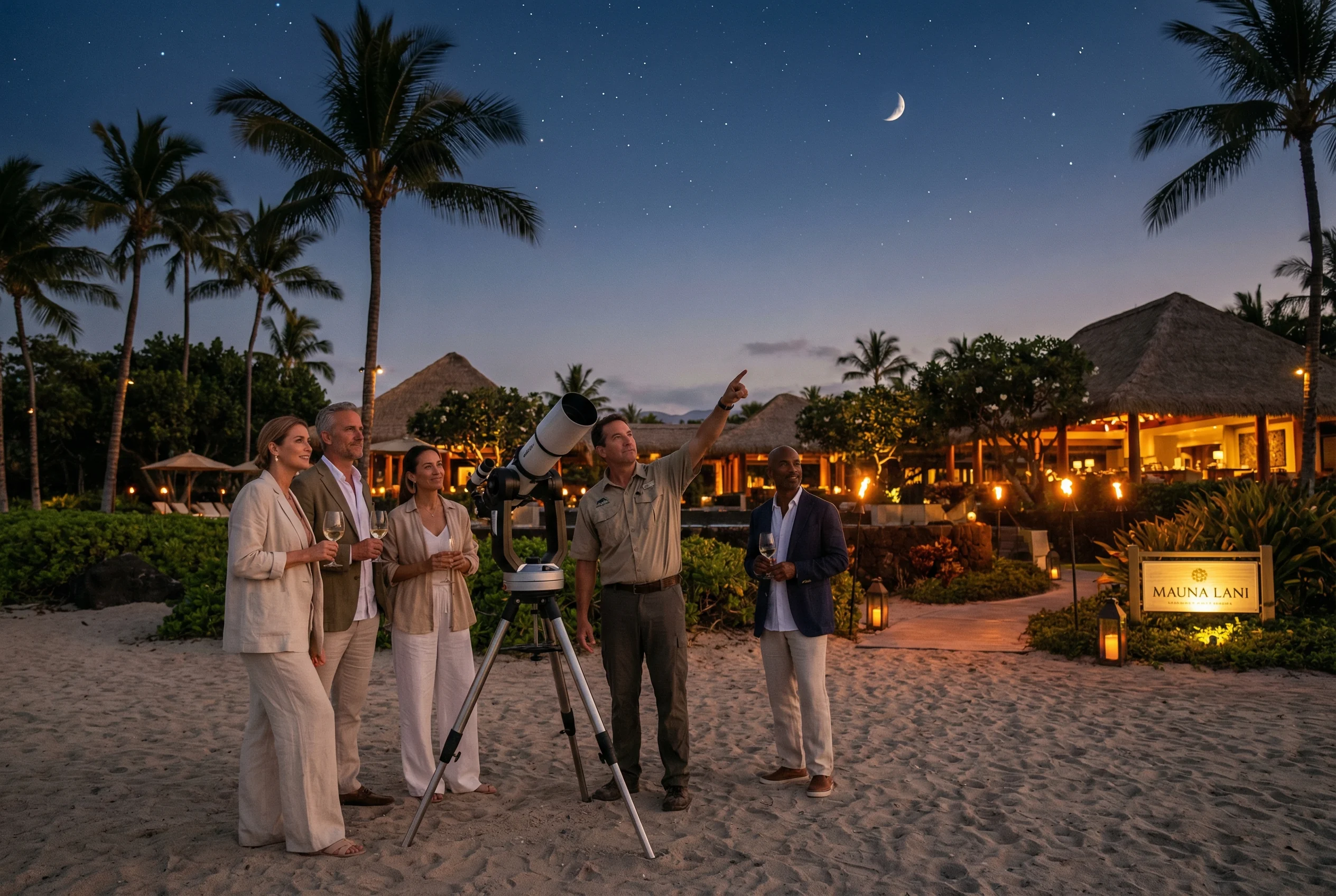
A company called Star Gaze Hawaii brings professional astronomers and telescopes directly to resorts along the Kohala Coast, such as the Mauna Lani and the Westin Hapuna Beach Resort. They conduct sessions right on the beach or resort grounds, usually between 8pm and 9pm.
Kahua Ranch
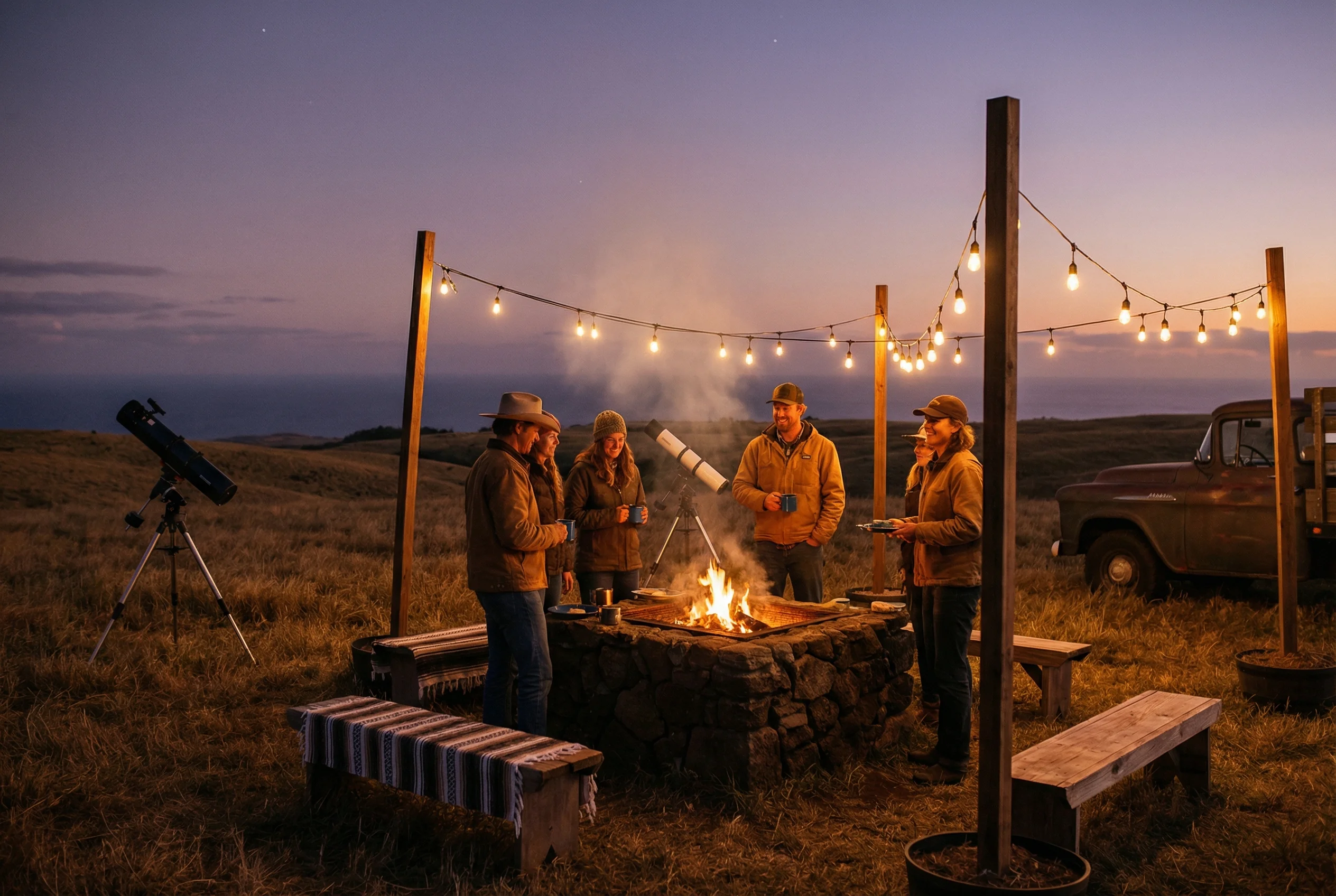
Located in the rolling pastureland of North Kohala, this ranch offers evening barbecues that capitalize on the open spaces for telescope stargazing.
Hot Tub Stargazing
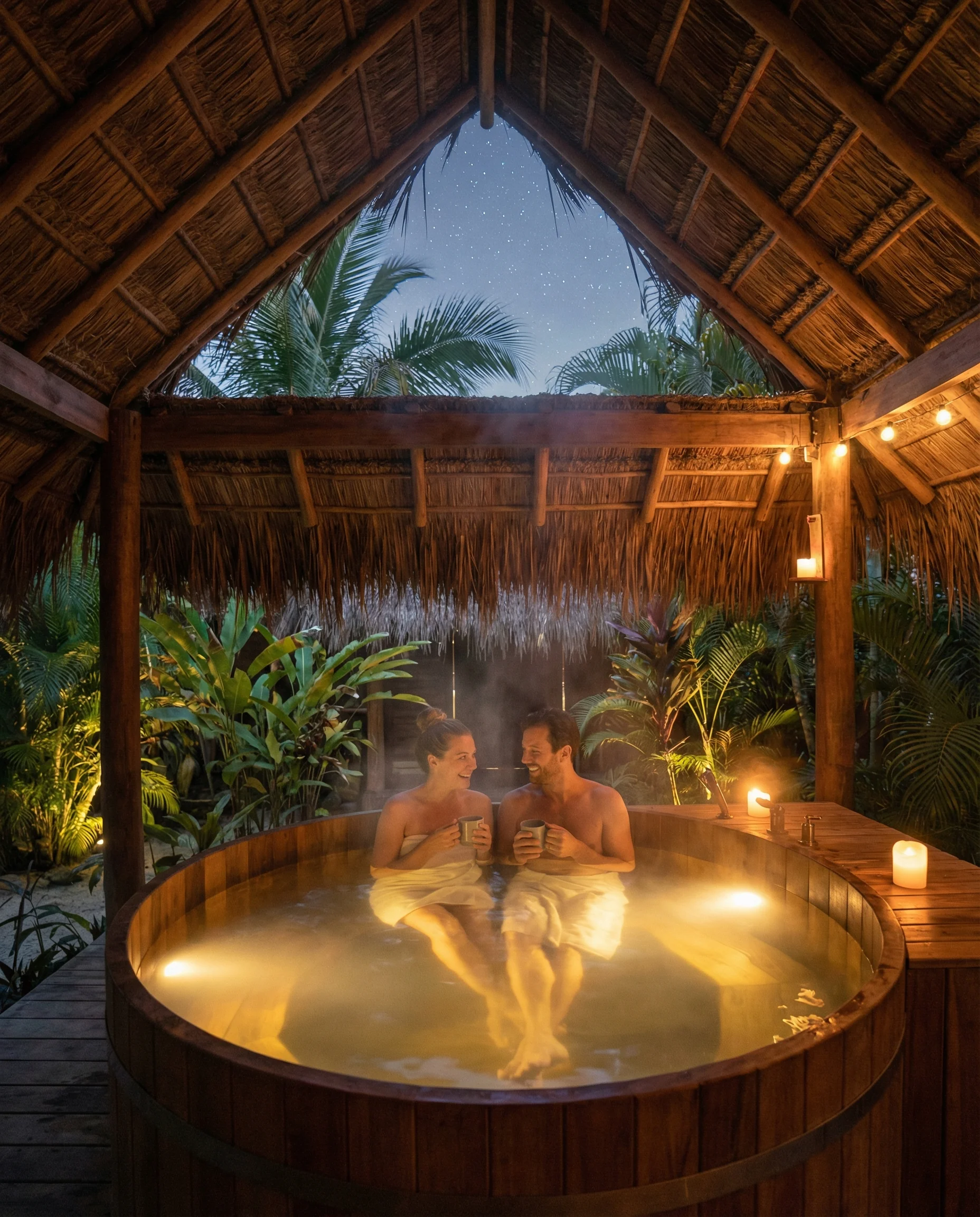
In Kealakekua, the Mamalahoa Hot Tubs & Massage offers open-sided teak tubs sheltered by thatched roofs designed specifically to allow for stargazing while soaking.
Volcano House
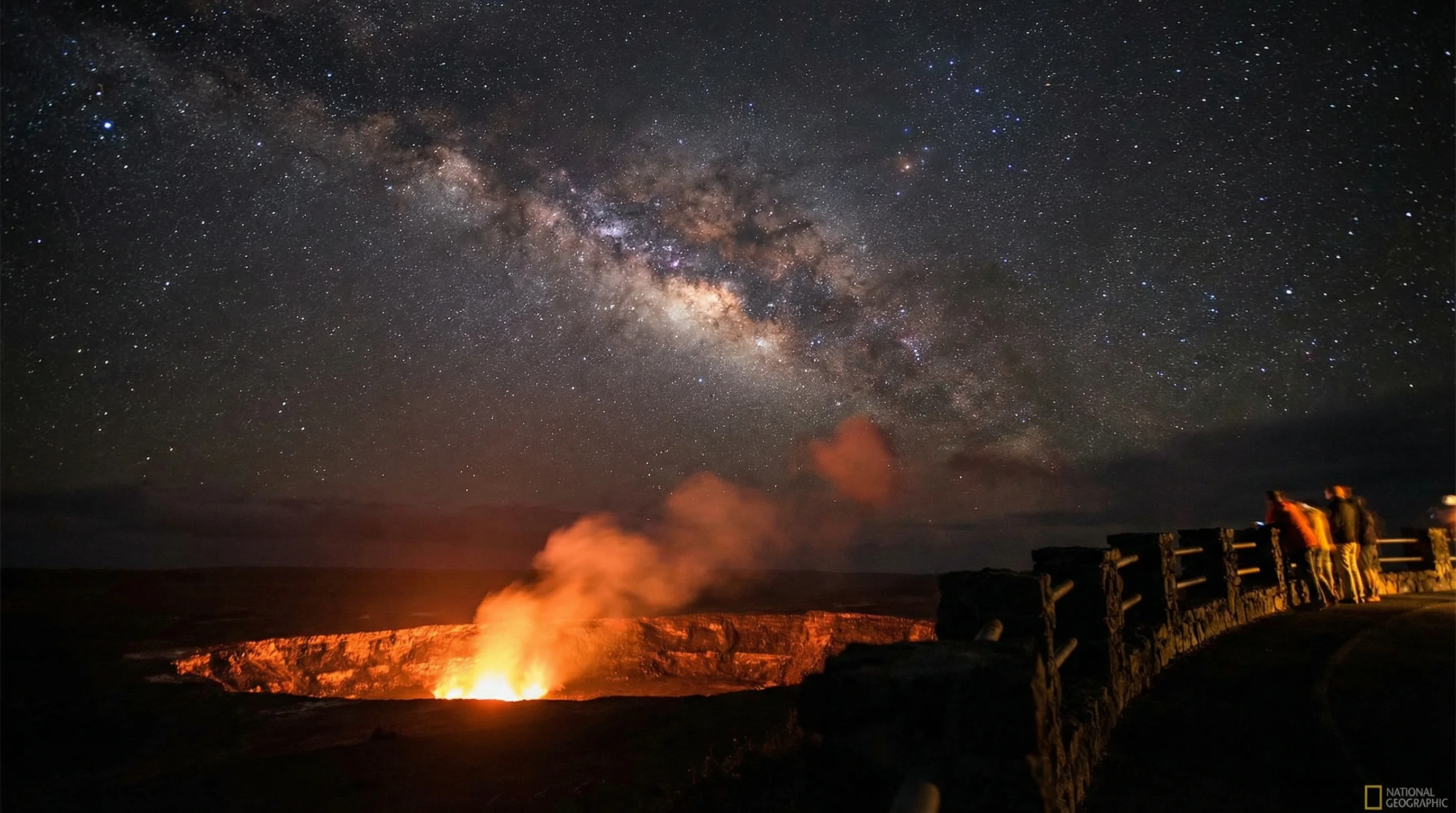
The Rim Restaurant in Hawaiʻi Volcanoes National Park offers a unique view where you can watch the glow of the Halemaʻumaʻu crater under the night sky.
Cultural and Scientific Context
Sacred Ground
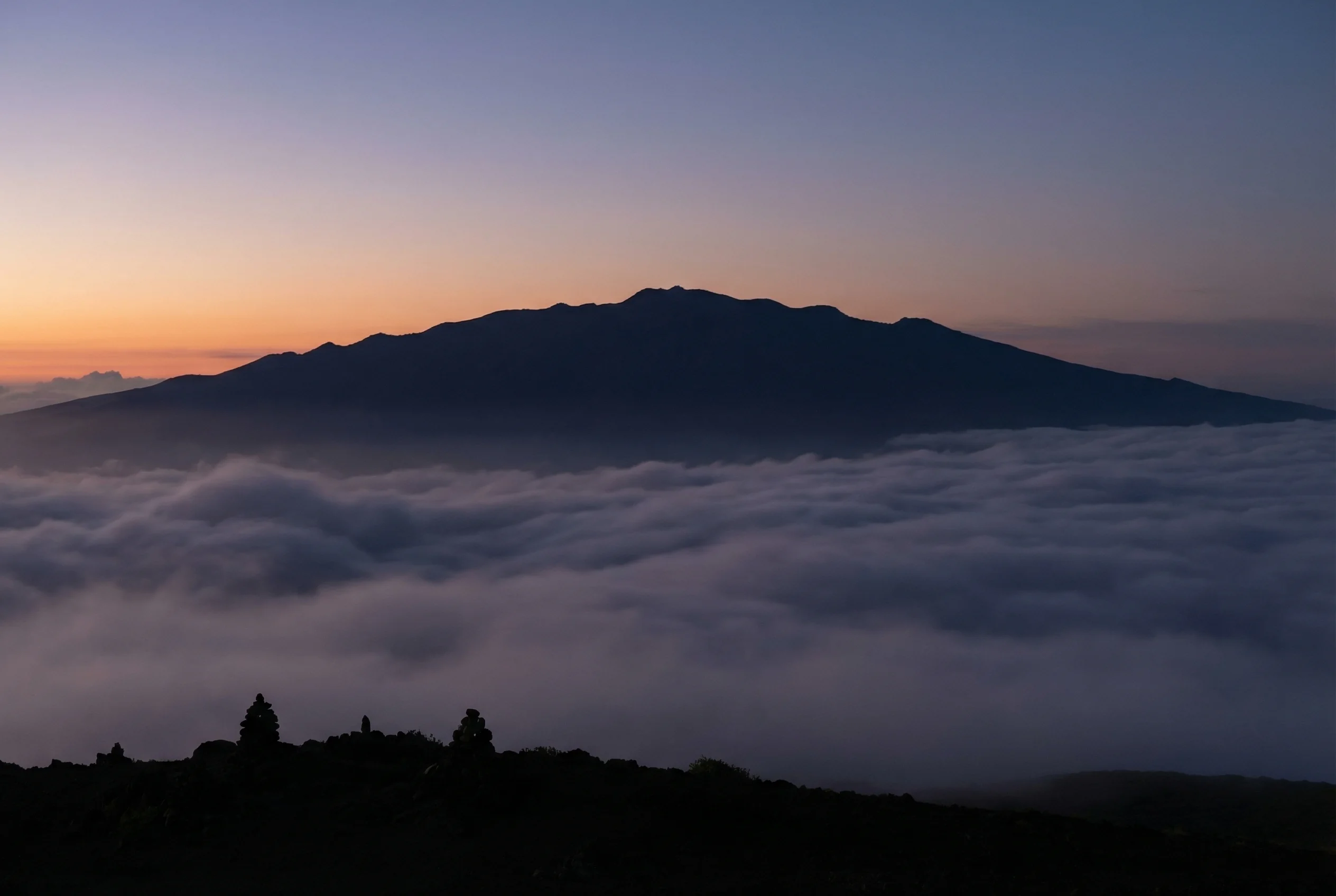
Mauna Kea is considered the piko — the navel or umbilical cord — connecting the earth to the heavens and serving as the home of deities in Native Hawaiian cosmology. The mountain is not simply a geological feature; it is a living ancestor (kupuna) and a place where the spiritual and physical worlds meet.
In Hawaiian tradition, the summit peaks hold specific sacred identities. Poli’ahu, the goddess of snow, is said to dwell on Mauna Kea, making her home among the cinder cones near the summit. The lake near the top, Wai’au, is considered a portal between realms — historically, Native Hawaiians brought the piko (umbilical cord) of newborn children to its waters as an offering connecting the new life to the ancestor mountain.
This cultural framework explains why stars were never merely navigational tools to Native Hawaiians. The sky was a genealogy — the Milky Way (Ka Iki o ka Lā), the Pleiades (Makali’i), and the Southern Cross (Hanaiakamalama) were ancestors and guides, each carrying names and stories passed down through chants (mele) and prayers (pule) for centuries before the first telescope was ever pointed skyward.
Hawaiian Star Navigation
Long before GPS — long before written charts — Polynesian navigators sailed from Tahiti to Hawaii and back using only the stars, ocean swells, and wind patterns. These wayfinders could identify their latitude by the altitude of Polaris and navigate by the rising and setting points of specific stars that they had memorized in sequence, a mental star map called a star compass.
The Hōkūle’a, a traditional Hawaiian double-hulled voyaging canoe, has recreated these journeys — including a circumnavigation of the globe completed in 2017 — relying entirely on traditional navigation. Many of the stars your tour guide will point out through the telescope carry Hawaiian names: Hōkūle’a (Arcturus, the star that rises directly over Hawaii), Nā Kao (Orion’s belt), and Makali’i (the Pleiades, which mark the Hawaiian New Year when they rise on the eastern horizon at sunset).
When you look through our telescopes at Mauna Kea, you are sharing the same sky that guided human migration across the largest ocean on Earth.
The TMT Controversy
There is significant local opposition to the construction of the Thirty Meter Telescope (TMT) on the summit. Protesters — known as kia’i (guardians) — argue that further development desecrates the sacred mountain, a conflict that highlights the ongoing tension between modern science and indigenous land rights. The protest movement, which gained international attention in 2019, has led to broader conversations about how science and culture can coexist, and what meaningful consent looks like for indigenous communities. Visitors are encouraged to approach the mountain with this context in mind.
ʻImiloa Astronomy Center
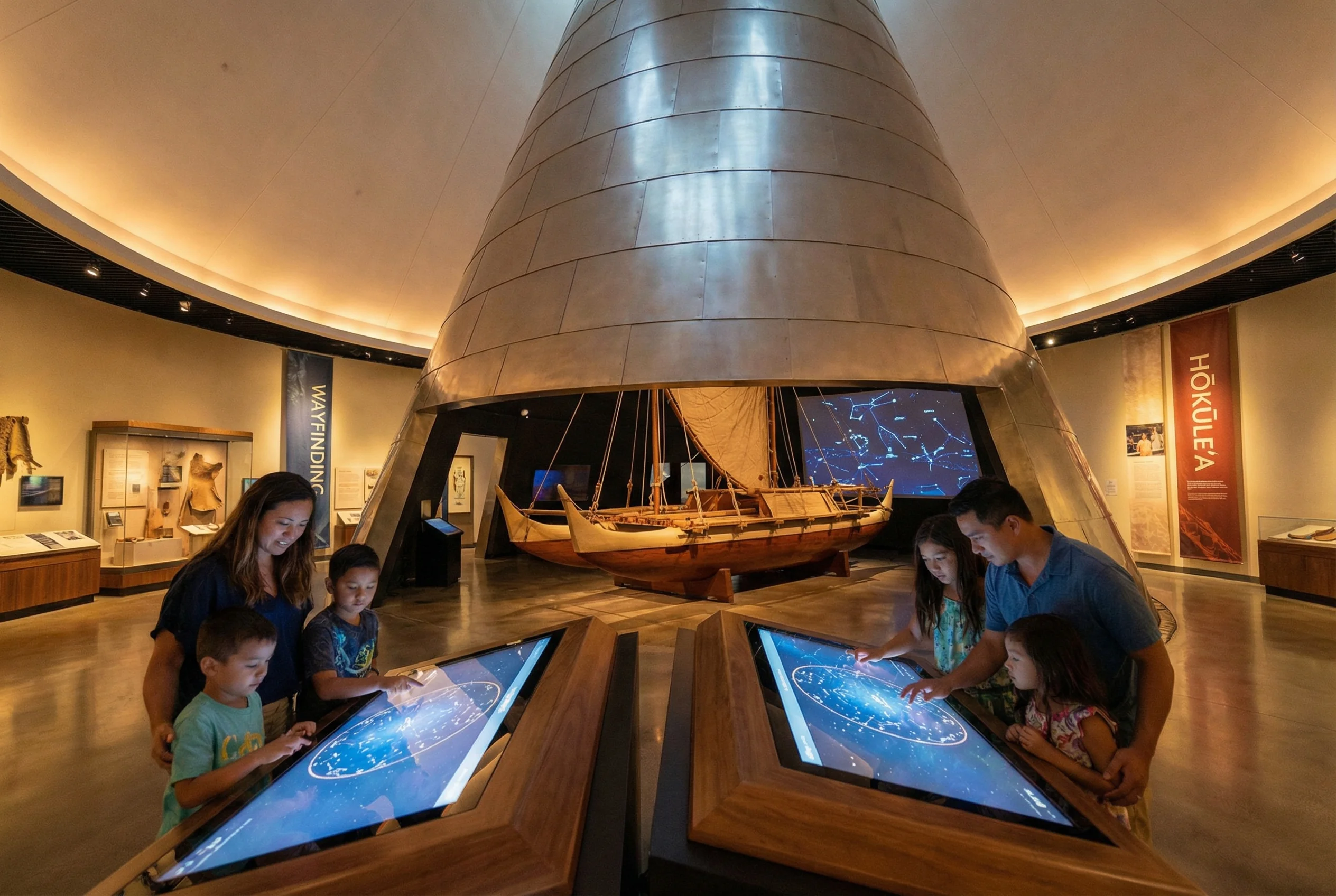
Located in Hilo, this $28 million museum brilliantly bridges two worlds: the ancient Polynesian art of star navigation and the cutting-edge science conducted on Mauna Kea’s summit. Its name, ʻImiloa, means “exploring new knowledge” in Hawaiian — a phrase that captures exactly the dual nature of this sacred mountain. Exhibits trace the journey of the Hōkūle’a voyaging canoe, explain Hawaiian celestial navigation, and put the modern observatories in cultural context. We strongly recommend visiting ʻImiloa before or after your summit tour — it transforms the experience from a stargazing trip into a genuine encounter with human history.
When to Go
While the skies are generally clear year-round, avid stargazers may want to plan their trip around specific celestial events.
Meteor Showers
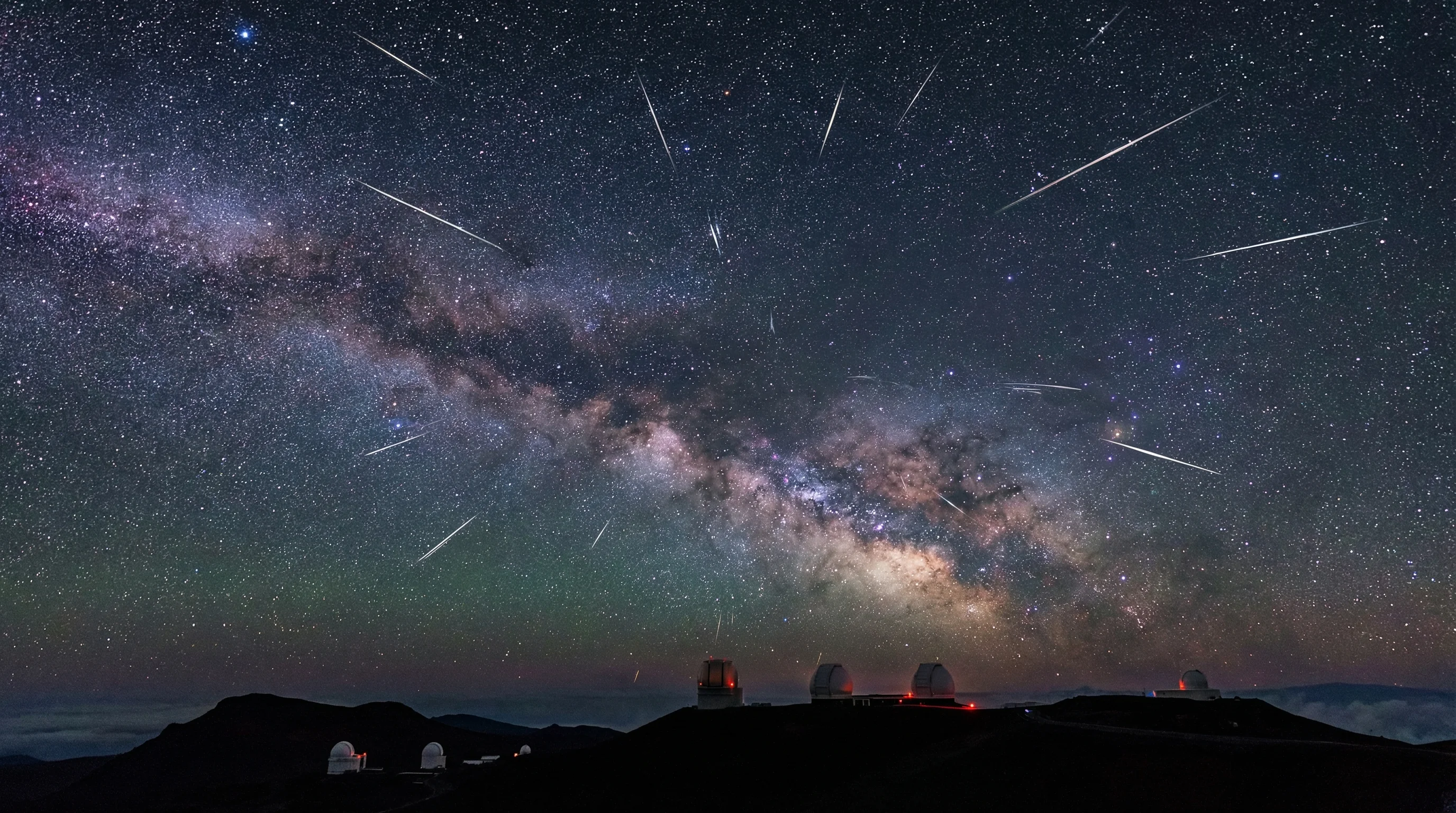
The Perseids in August and the Geminids in December typically provide reliable and spectacular shows from the slopes of Mauna Kea.
Time of Day
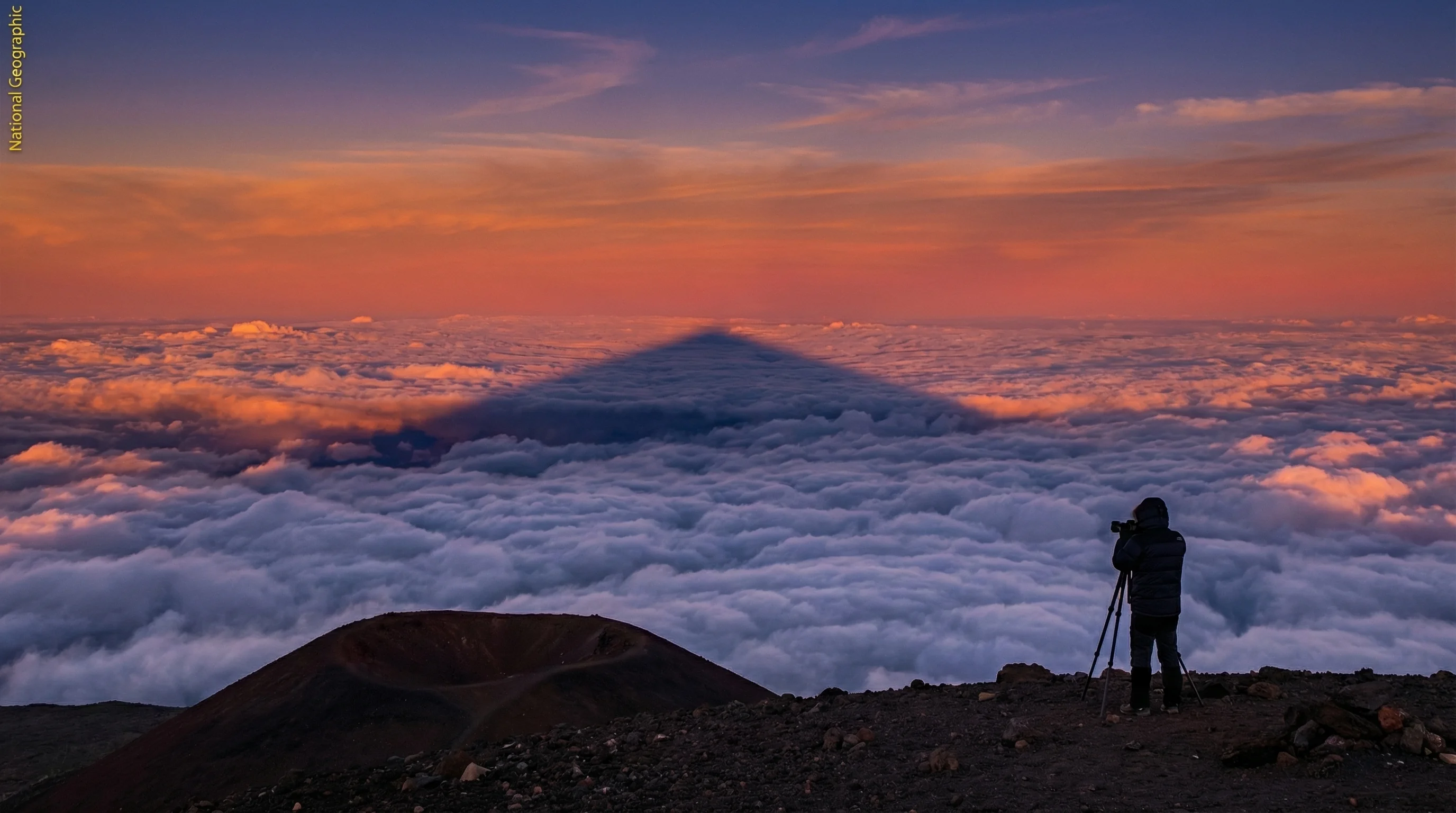
On Mauna Kea, the best viewing is obviously at night, but arriving for sunset offers stunning views of the shadow of the mountain stretching across the clouds.
What’s in the Sky: 2026 Monthly Viewing Guide
One of the most common questions we hear is: “What will I actually see on my tour?” The answer changes throughout the year as planets shift position and seasonal constellations rise and set. Here’s what Mauna Kea visitors can expect each month in 2026, all observed from our latitude of roughly 20°N — a position uniquely able to see both Northern and Southern Hemisphere skies.
| Month | Planets Visible | Sky Highlights | Notes |
|---|---|---|---|
| January | Jupiter (evening, bright in west) | Orion, Pleiades, Taurus at their best | Peak winter constellations; cold, clear nights |
| February | Jupiter (evening, setting earlier) | Orion + Gemini prominent; Canis Major with Sirius | Sirius — the brightest star in the sky — nearly overhead |
| March | Jupiter fading; Saturn (pre-dawn) | Leo rising in east; Virgo cluster | Total Lunar Eclipse March 2–3 (visible from Hawaii!) |
| April | Saturn (pre-dawn, rising earlier) | Leo, Virgo; Southern Cross visible low in south | Lyrids meteor shower April 21–22 (waxing crescent — good conditions) |
| May | Saturn (evening by late May) | Scorpius rising; Milky Way core becomes visible | Eta Aquariids May 5 (waning gibbous — fair); Milky Way season begins |
| June | Saturn (evening, getting brighter) | Milky Way core high overhead; Scorpius, Sagittarius | Best start to Milky Way season; long clear nights |
| July | Saturn (prominent, nearly at opposition) | Milky Way at its most dramatic; Scorpius, Sagittarius | Darkest nights of Milky Way season |
| August | Saturn (bright, rising at dusk) | Milky Way core + Saturn together; Cygnus overhead | Perseids Aug 12–13 (NEW MOON — EXCELLENT conditions) |
| September | Saturn (visible all night) | Milky Way still strong; Andromeda galaxy rising | Partial Lunar Eclipse Aug 27 spills into September viewing season |
| October | Saturn (evening, fading); Mars (pre-dawn) | Pegasus; Andromeda; Perseus | Orionids Oct 20–21 (waxing gibbous — fair conditions) |
| November | Mars (evening, brightening); Jupiter (returning) | Taurus, Pleiades back; Orion rising | Good season for planets — Mars and Jupiter both visible |
| December | Mars + Jupiter (both evening) | Orion, Gemini, Taurus; full winter showcase | Geminids Dec 13–14 (waxing crescent — EXCELLENT conditions) |
Pro tip: New moon periods offer the darkest skies. Check a lunar calendar when booking — a tour scheduled within 3 days of new moon will deliver noticeably more stars, and the Milky Way will appear dramatically brighter.
2026 don’t-miss events from Mauna Kea:
- Total Lunar Eclipse — March 2–3: The moon turns deep red as Earth’s shadow falls across it. Visible in full from Hawaii with no equipment needed.
- Perseids — August 12–13: New moon coincides with peak night, creating ideal conditions. Expect 80–100 meteors per hour from Mauna Kea’s dark skies.
- Geminids — December 13–14: The year’s most reliable shower, producing bright slow-moving meteors. Waxing crescent moon sets early, leaving most of the night dark.
Understanding Mauna Kea’s Advantage
Analogy: Think of the atmosphere as foggy windowpanes. At sea level, you are looking through thick, humid glass that distorts the view of the stars. Ascending Mauna Kea is like opening the window entirely; by rising above 40% of the atmosphere and 90% of the water vapor, you are removing the distortion, leaving nothing between you and the cosmos.
The Bortle Scale: How Dark Is Dark?
Astronomers measure sky darkness using the Bortle Dark-Sky Scale, a nine-point system where Class 1 is the absolute darkest sky observable on Earth, and Class 9 is the washed-out glow of an inner-city sky.
Mauna Kea’s summit rates as Bortle Class 1 — the darkest classification possible. This is exceptionally rare. Most people live their entire lives under Class 5–8 skies without ever experiencing a truly dark sky.
| Bortle Class | Sky Description | What You See |
|---|---|---|
| 1 — Mauna Kea Summit | Truly dark sky | Zodiacal light, airglow, hundreds of Milky Way dust lanes visible to naked eye |
| 2 | Typical truly dark site | Milky Way clearly detailed; M33 galaxy visible without binoculars |
| 3 | Rural sky | Milky Way clearly visible; some light domes on horizon |
| 4–5 | Rural/suburban transition | Milky Way visible but washed out near horizon |
| 6–7 | Suburban sky | Milky Way faint or invisible; only brightest nebulae visible |
| 8–9 | City sky | Milky Way invisible; only brightest stars and planets visible |
What this means in practice: under a Class 1 sky, you can see the faint glow of distant galaxies with the naked eye, make out individual star-forming regions in the Milky Way as textured bands of light and dark, and count meteor trails that would be entirely invisible from a typical suburban backyard. It is a fundamentally different experience — not just incrementally better.
Hawaii County enforces strict lighting ordinances that protect these skies. Streetlights near Mauna Kea use specially shielded, low-emission fixtures. This legal framework, combined with the island’s remoteness in the Pacific, is why Class 1 conditions have been preserved here for decades.
Ready to Experience Mauna Kea Stargazing?
Whether you choose the premium observatory tour with sunset viewing, the free MKVIS program, or a DIY adventure, Mauna Kea offers an unforgettable night under the stars.
Popular Choice: Our Mauna Kea Observatory Tour includes hotel pickup, warm parkas, dinner, expert astronomers, and professional Milky Way photography—all for $289 per person.