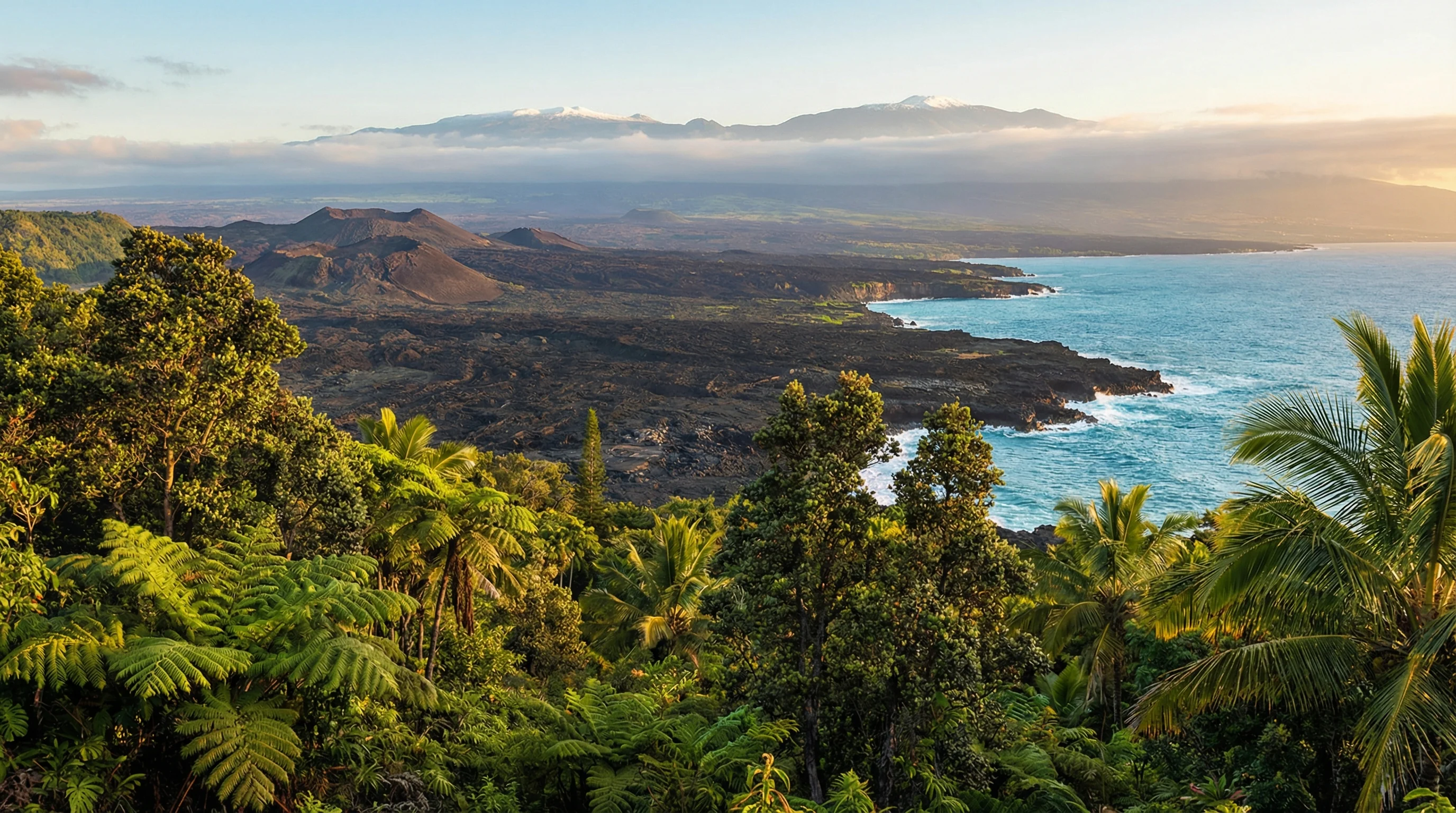
Aloha and welcome! You are about to visit an island unlike any other on Earth. The Big Island of Hawaiʻi is a place of incredible contrasts and raw, natural power. It is a land of staggering diversity, hosting eight of the world’s thirteen climate zones, from lush rainforests and stark lava deserts to rolling pasturelands and even snow-capped volcanic peaks.
Geologically, it is a baby, less than a million years old, and home to Kīlauea, the world’s most active volcano and the sacred home of Pele, the goddess of fire, where you can witness the awe-inspiring process of Earth’s creation. Beyond the dramatic landscapes, the island has a distinct local character—a place where most towns exist primarily for residents, where the pace is slower, and where an unpretentious, down-to-earth spirit prevails.
This guide is designed to help you feel prepared, so you can explore this vast and wonderful island with confidence, safety, and—most importantly—respect for the land and its culture.
1. The Spirit of Aloha: Essential Etiquette for a Respectful Visit
Understanding and respecting local culture is the first step to a truly wonderful visit. Aloha is more than a greeting; it’s a way of life rooted in compassion and a deep, harmonic respect for the land and its people. The following do’s and don’ts will help you navigate the island’s customs with grace.
Essential Cultural Do’s and Don’ts
| The Do | The Don’t | Why It Matters |
|---|---|---|
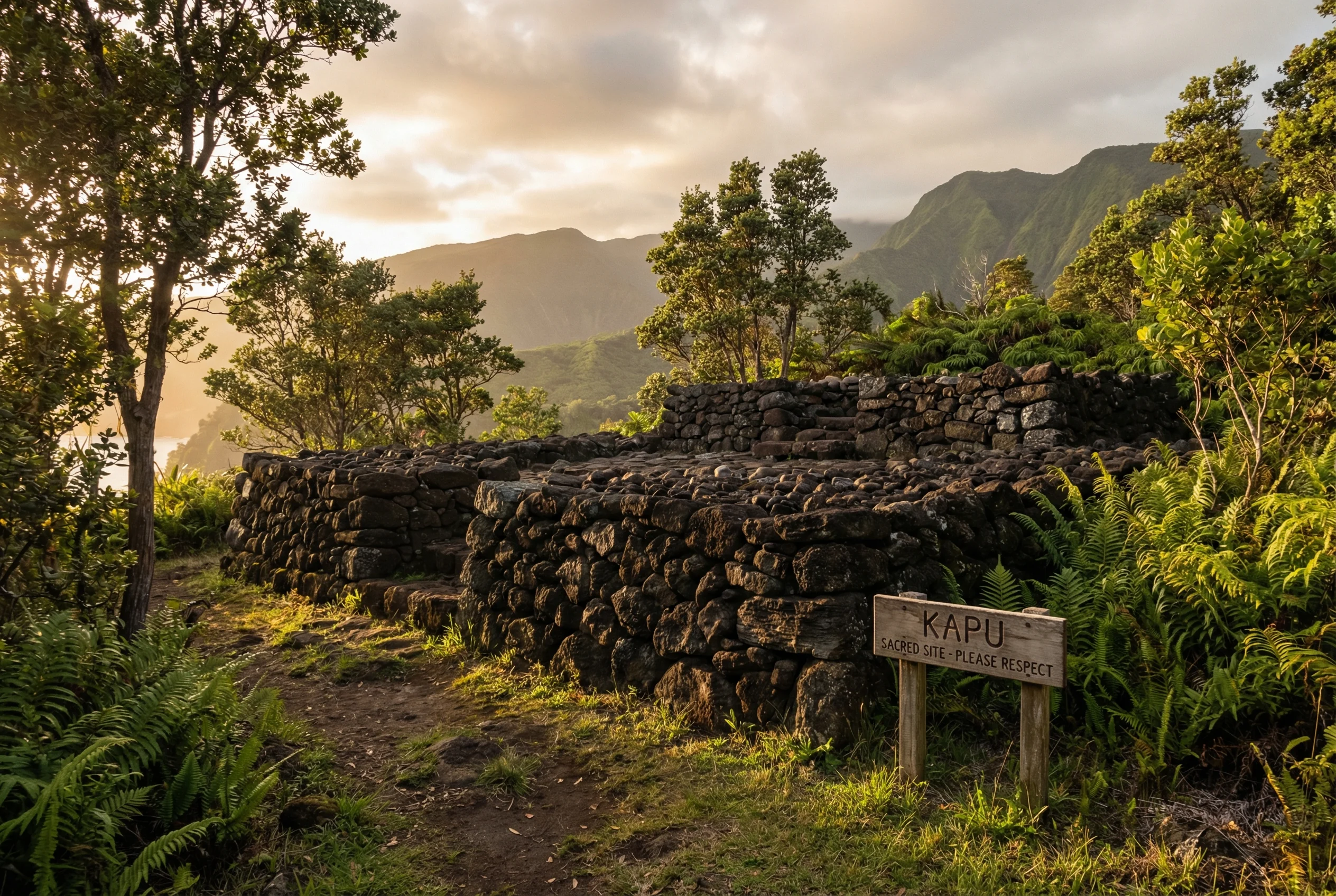
| Observe kapu (no trespassing) and ‘No Trespassing’ signs. | Do not climb on or disturb heiau (temples) or any other ancient rock structures. | Many areas, from Mauna Kea to Waipiʻo Valley, are sacred to Native Hawaiians. These sites hold deep spiritual and historical importance (mana), and showing respect is paramount. |
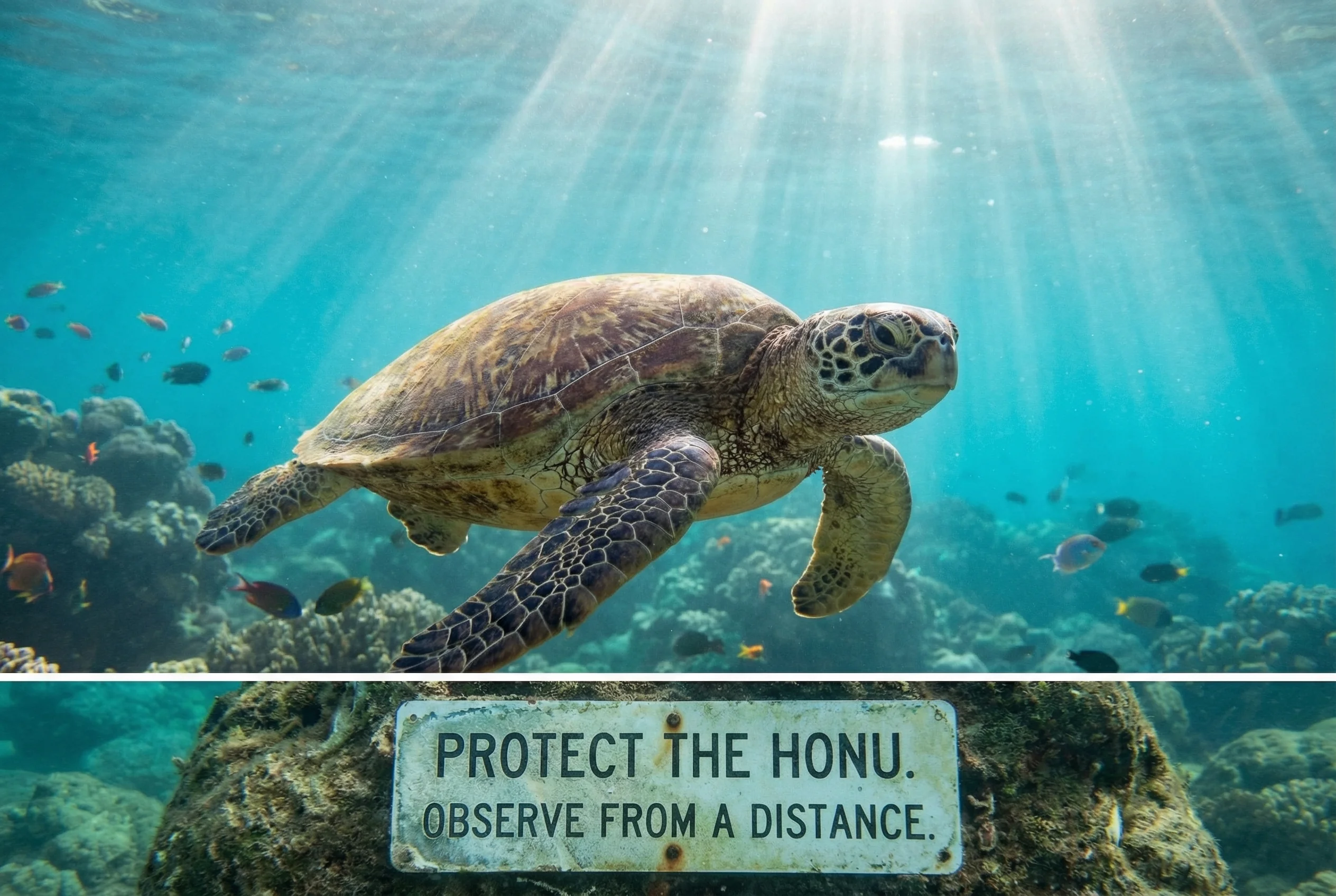
| Keep a respectful distance from all wildlife. | Do not touch, feed, or ride on honu (sea turtles) or other marine animals. | It is illegal to come within 50 yards of turtles and 100 yards of whales, dolphins, and monk seals. Disturbing them causes stress and disrupts natural behaviors. |
| Remove your shoes before entering a private home. | Do not walk into someone’s house with your shoes on. | This is a common and important sign of respect in local culture, acknowledging the home as a clean and private space. |
| Drive slowly and courteously, and let others merge. | Do not be an aggressive or pushy driver. | The island operates on a more relaxed “island time.” A slow, courteous driving style is the rule, and sharing the road with a friendly shaka hand gesture is part of the local culture. |
| Accept a lei (flower garland) if offered. | Do not refuse a lei or take it off in the presence of the person who gave it to you. | A lei is a powerful symbol of welcome, love, and respect. Accepting it graciously is an important part of the cultural exchange. |
This same spirit of respect—for culture and for the powerful forces of nature—is your best guide as you navigate the island’s vast and varied roads.
2. Navigating the Island: Your Transportation Playbook
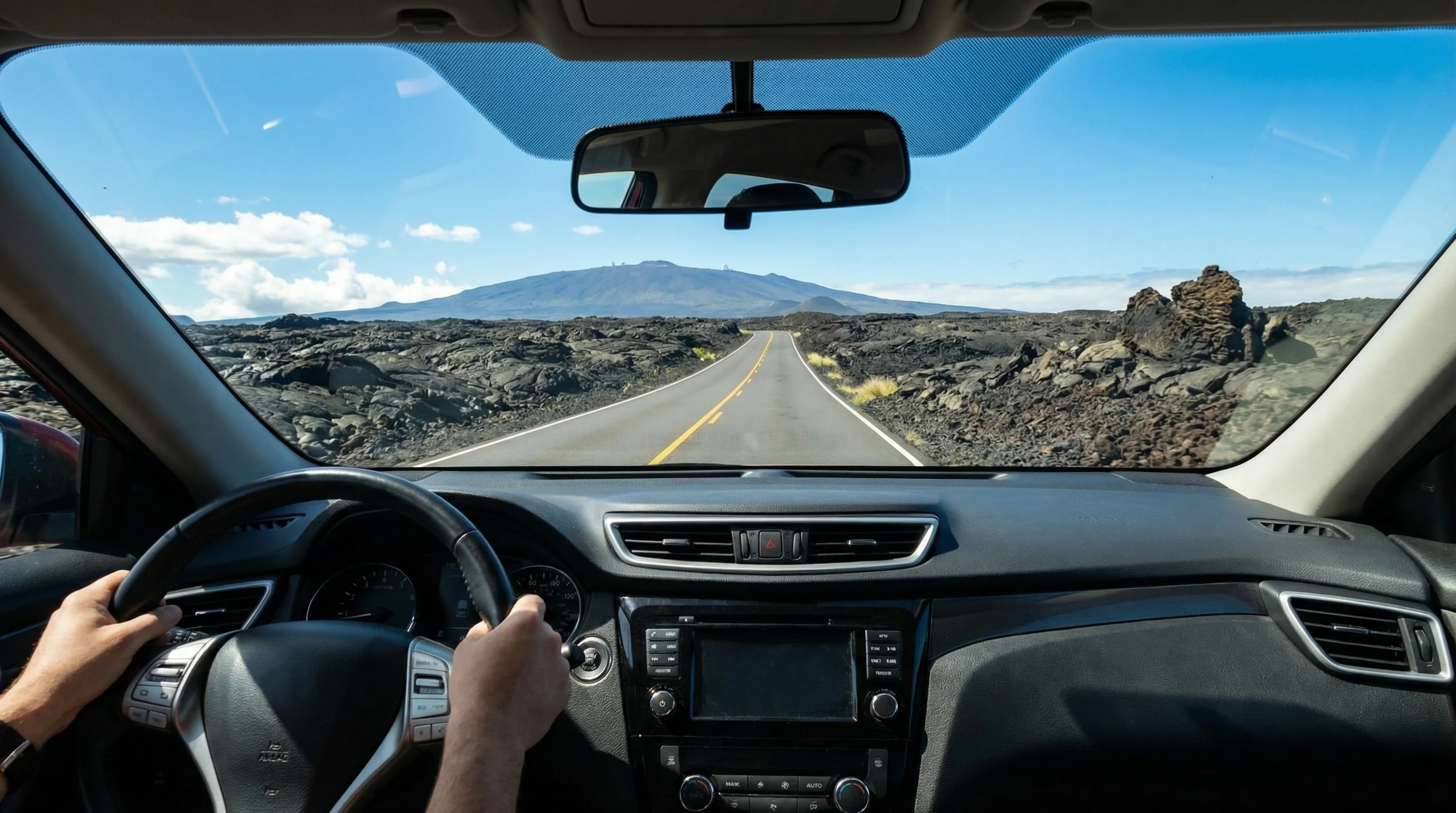
Due to the island’s sheer size and limited public transit, renting a car is the best way to explore all that the Big Island has to offer.
Key Transportation Insights
A Car is Essential: A standard car will be perfectly suitable for most sightseeing. While a public bus service exists, it is generally too time-consuming for visitors hoping to see multiple sites in one day.
When You Need a 4WD: A 4-wheel drive vehicle is necessary for more rugged adventures. You will need one if you plan to drive the Mauna Kea Access Road to the summit or reach certain remote beaches that are only accessible by unpaved roads. Be aware that most major rental companies forbid driving their vehicles to the Mauna Kea summit; only an independent agency like Harper Car & Truck Rentals will permit it.
Driving with Aloha
The local driving style is part of the island’s culture. Keep these three customs in mind:
- Drive on the right side of the road.
- Embrace a Slower Pace: Slow, courteous driving is the local norm. There’s no need to rush; enjoy the journey.
- Learn the Lingo: When getting directions, you will likely hear locals use the words makai (toward the sea) and mauka (toward the mountains/inland).
As you drive, you’ll find the journey itself is an attraction, leading you from one stunning landscape to the next, and connecting you to the diverse and delicious food that defines the island.
3. “Local Kine Grinds”: A Taste of the Big Island
“Local food” on the Big Island is a delicious adventure with three main components: incredibly fresh, locally grown produce; traditional Hawaiian cuisine with its unique Polynesian flavors; and the beloved comfort food known as ’local kine grinds.’ Here are five essential tastes to get you started.
Five Essential Big Island Tastes
| Must-Try Dish | What It Is |
|---|---|
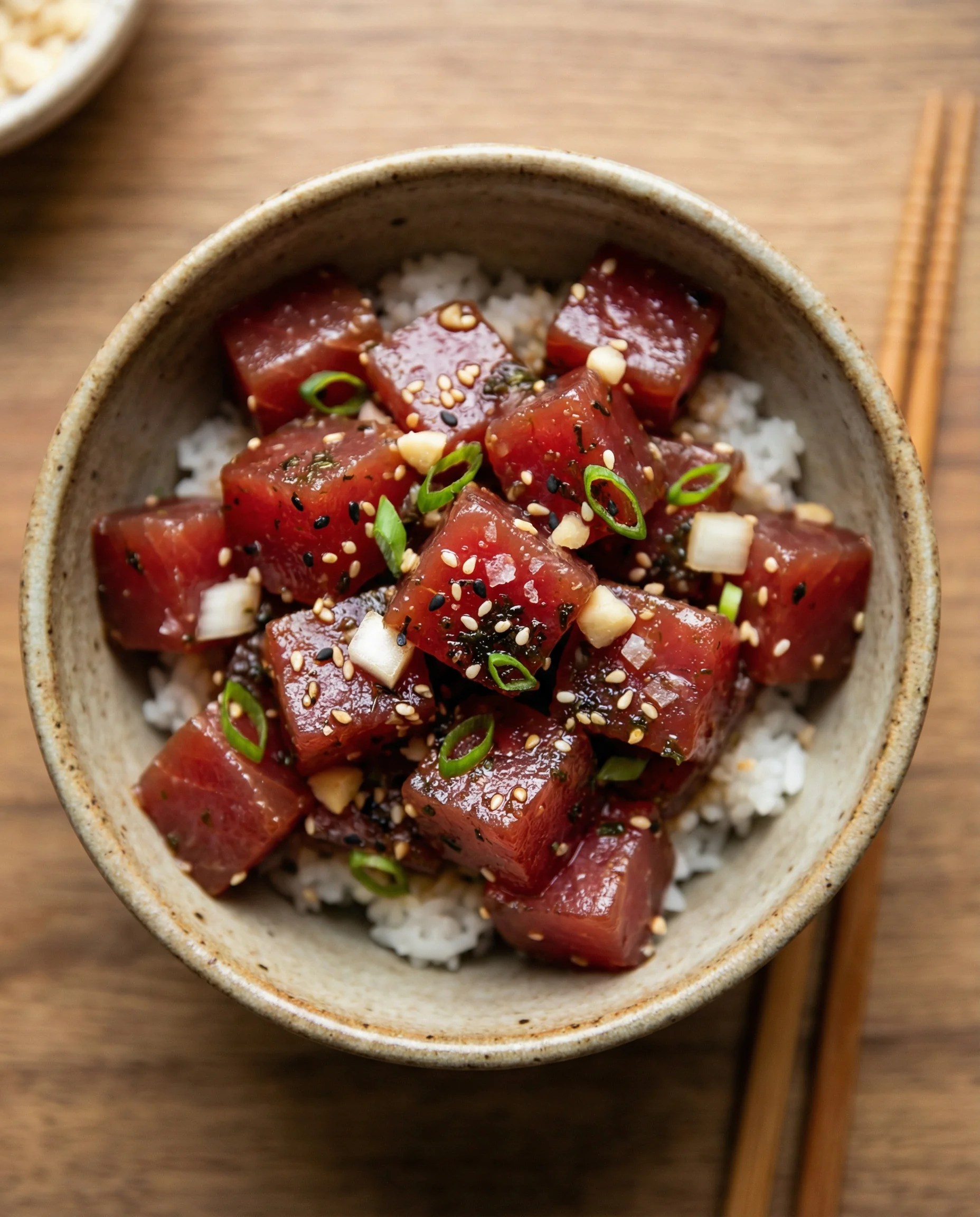
| Poke (pronounced poh-keh) | A savory dish of bite-sized raw fish (typically ahi tuna) seasoned with ingredients like soy sauce (shōyu), sesame oil, and green onion. |
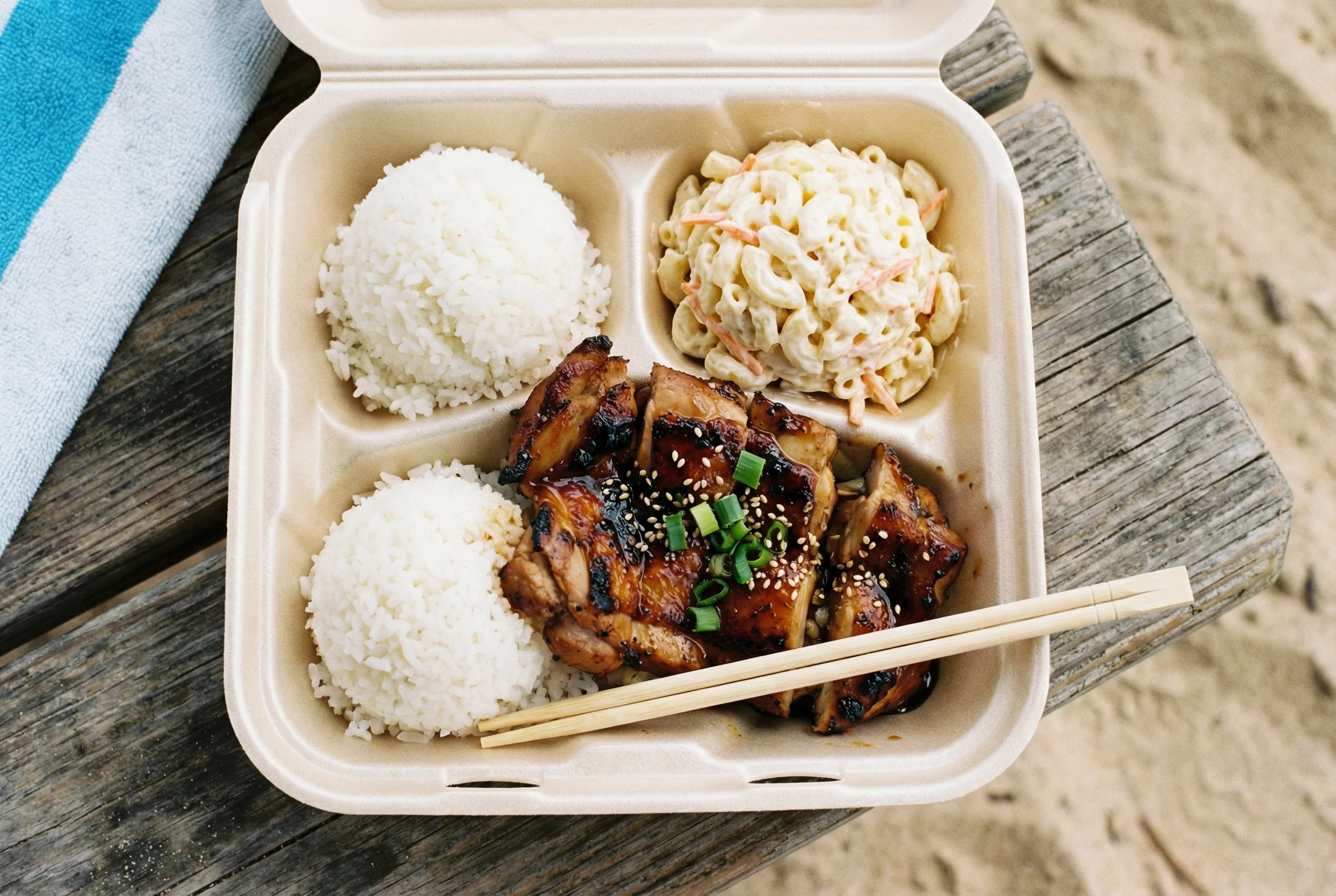
| Plate Lunch | A classic comfort meal featuring “two scoops” of white rice, a scoop of macaroni or potato salad, and a hot protein dish like teriyaki chicken, fried fish, or kalbi short ribs. Often eaten with disposable chopsticks, these meals pack a powerful (and caloric) punch: fried, salty, and meaty. |
| Loco Moco | The ultimate local comfort food: a hamburger patty and a fried egg over a bed of white rice, all smothered in gravy. |
| Kalua Pig | Smoky, salty, and incredibly succulent pork, traditionally roasted underground in an imu (earth oven). |
| Spam Musubi | A popular and simple snack consisting of a slice of grilled Spam on top of a block of rice, wrapped together with seaweed (nori). |
With your appetite satisfied, it’s time to explore the island’s breathtaking natural landscapes—but it’s crucial to do so safely and responsibly.
4. Exploring with Care: Essential Safety Tips
The Big Island is a land of raw, primal power. Enjoying its dramatic volcanoes, lush valleys, and beautiful ocean requires awareness and respect for the forces of nature.
On the Land: Volcanoes, Lava, and Trails
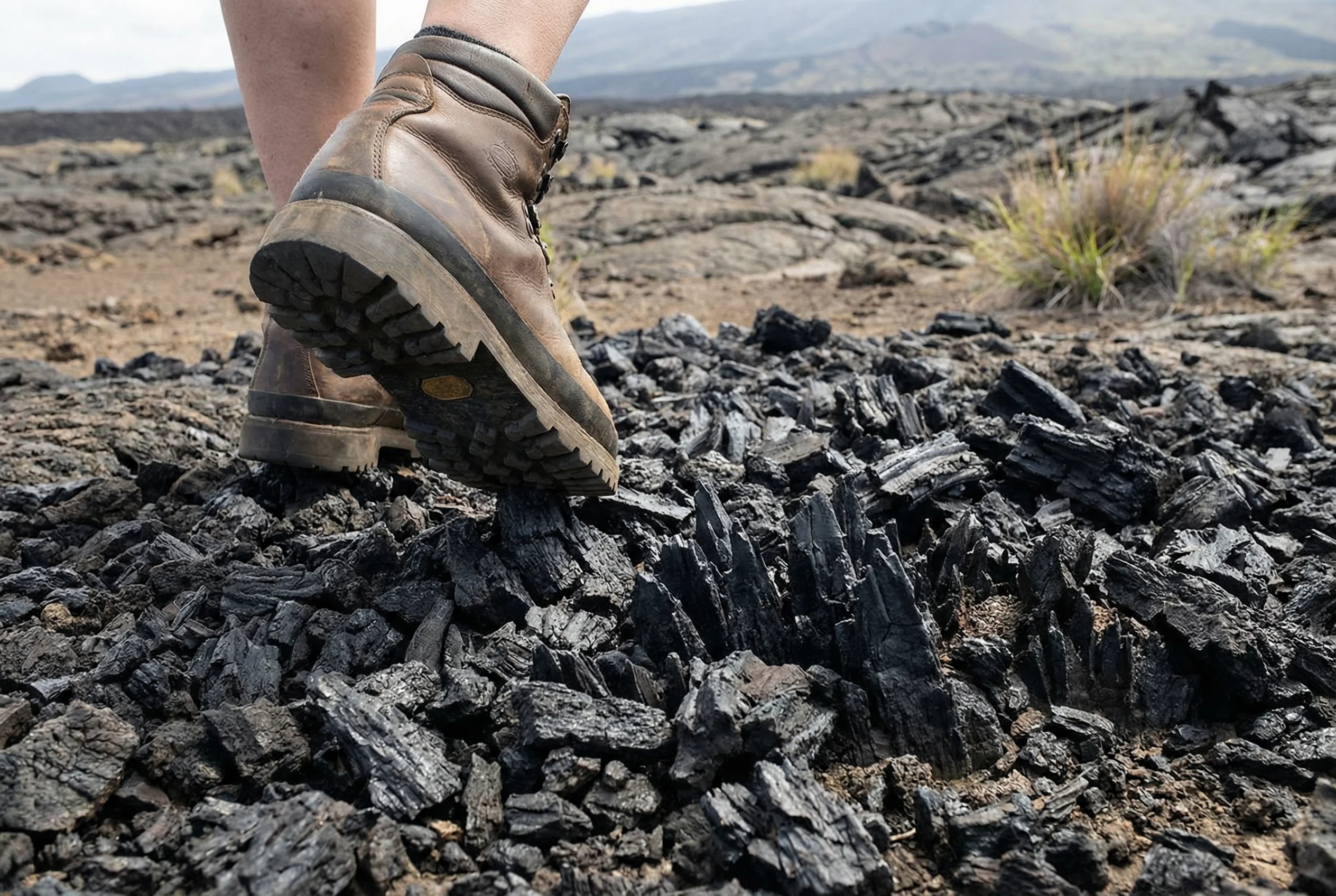
1. Wear Sturdy, Closed-Toe Shoes. The island’s surface is covered in different types of lava. Walking on ʻaʻā lava, which is rough, spiky, and jagged, feels like treading on “blunt razors.” It can easily cause deep cuts and twisted ankles, so proper footwear is essential for any hiking.
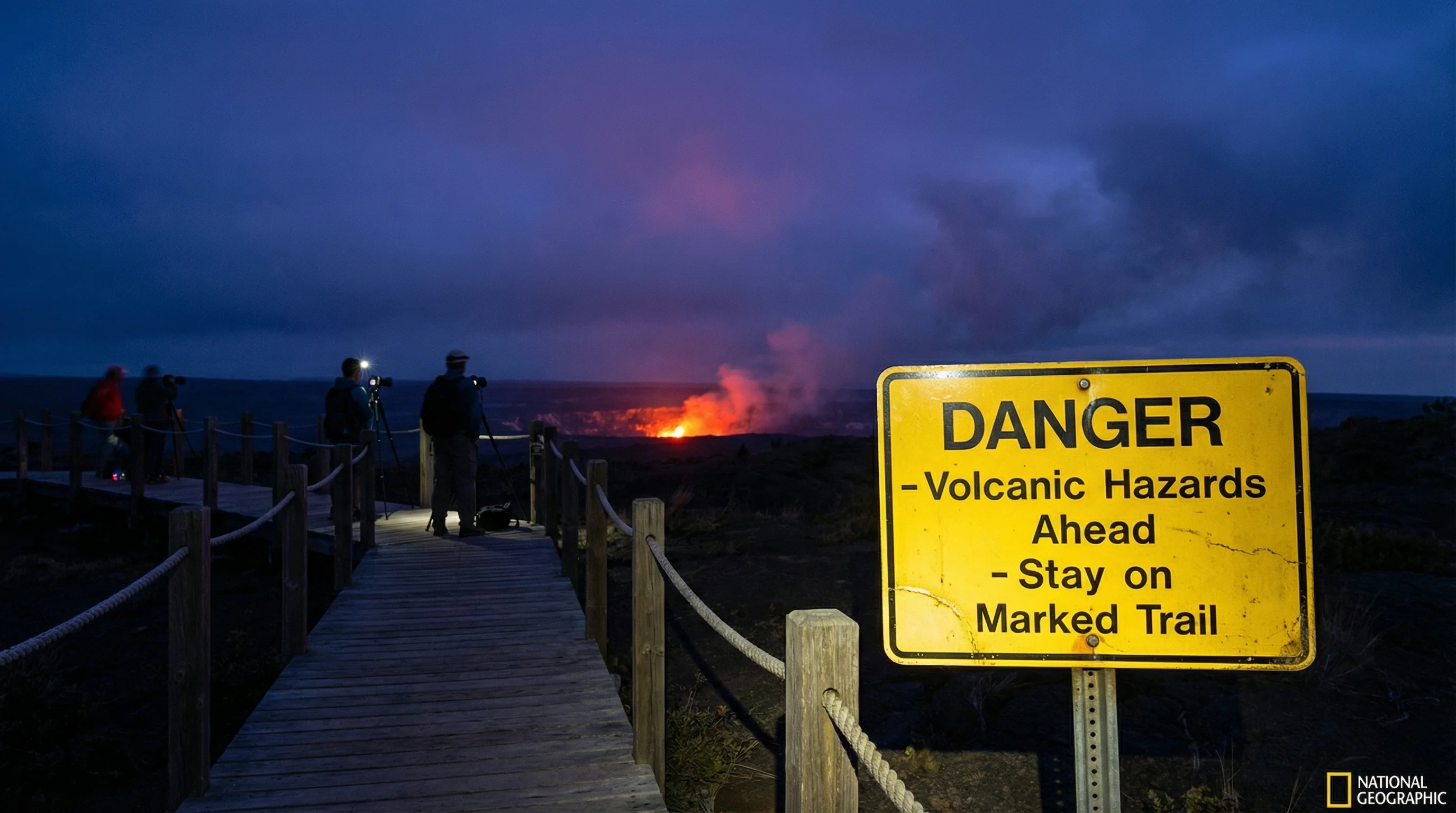
2. Heed All Lava and Volcano Warnings. When viewing active lava, remember that the landscape is constantly changing and unstable. Volcanic fumes can be toxic, newly formed lava benches over the ocean can collapse without warning, and the heat is extreme. Always obey posted signs and consider using a guided tour for the safest experience.
3. Beware of Flash Floods in Valleys. The island’s steep, narrow valleys, such as the famous Waipiʻo Valley, are prone to flash floods. This is a real danger, especially on trails that require stream crossings. Always be aware of the weather conditions before you hike.
In the Water: Ocean Awareness
Respect the Ocean’s Power: The waters off Hawaiʻi can have incredibly strong currents and undertows. Many beaches do not have lifeguards. If you’re not a confident swimmer, stay close to shore and never underestimate the power of the waves.
Watch Where You Step: Sea urchins with venomous spikes are very common in Big Island waters, even in the shallowest tide pools. Always wear reef shoes to protect your feet from painful stings.
Give Marine Life Space: Do not touch, chase, or disturb marine animals. Remember that all Hawaiian sea turtles (honu) are endangered, and it is illegal to get too close to them and other marine mammals like dolphins and monk seals.
By keeping these cultural and safety tips in mind, you are well on your way to a wonderful, safe, and respectful journey on the incredible Big Island of Hawaiʻi.
5. Quick Reference: Know Before You Go
Here are a few essential facts to have at your fingertips for your trip.
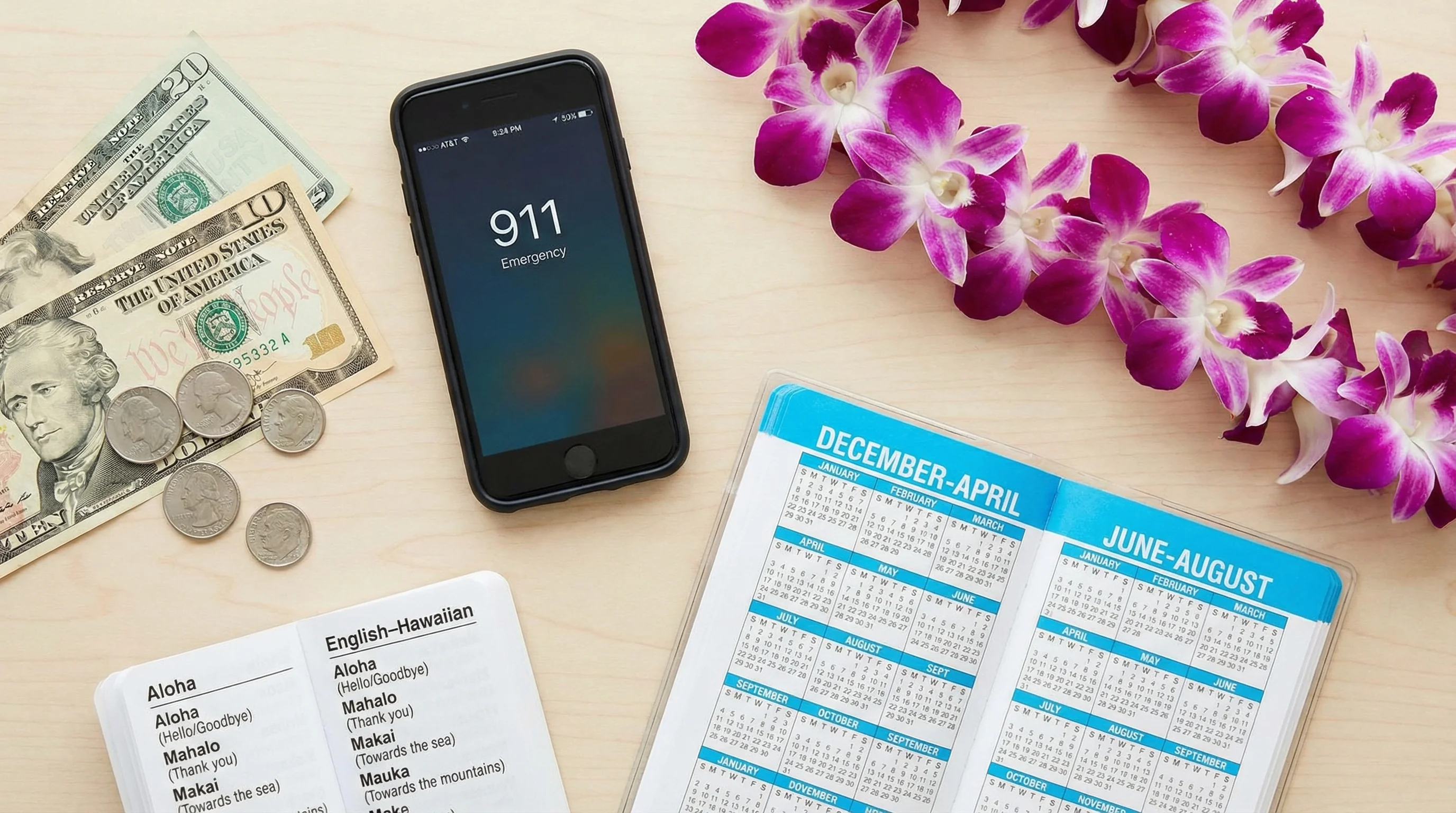
| Topic | Details |
|---|---|
| Currency | US dollar ($) |
| Language | English, Hawaiian, and Pidgin (a local creole) are spoken. |
| When to Visit | High Season: Mid-December through March/April and June through August. Low Season: April-May and September. |
| Emergency Number | For police, fire, or ambulance, dial 911. |
Planning to experience Big Island’s world-class stargazing? Our Mauna Kea Observatory Tour includes transportation, warm gear, dinner, and expert astronomers—making it the perfect addition to your first Big Island adventure.
Want more detailed stargazing information? Read our complete Mauna Kea Stargazing Guide for tips on summit tours, free programs, and the best viewing locations across the island.